
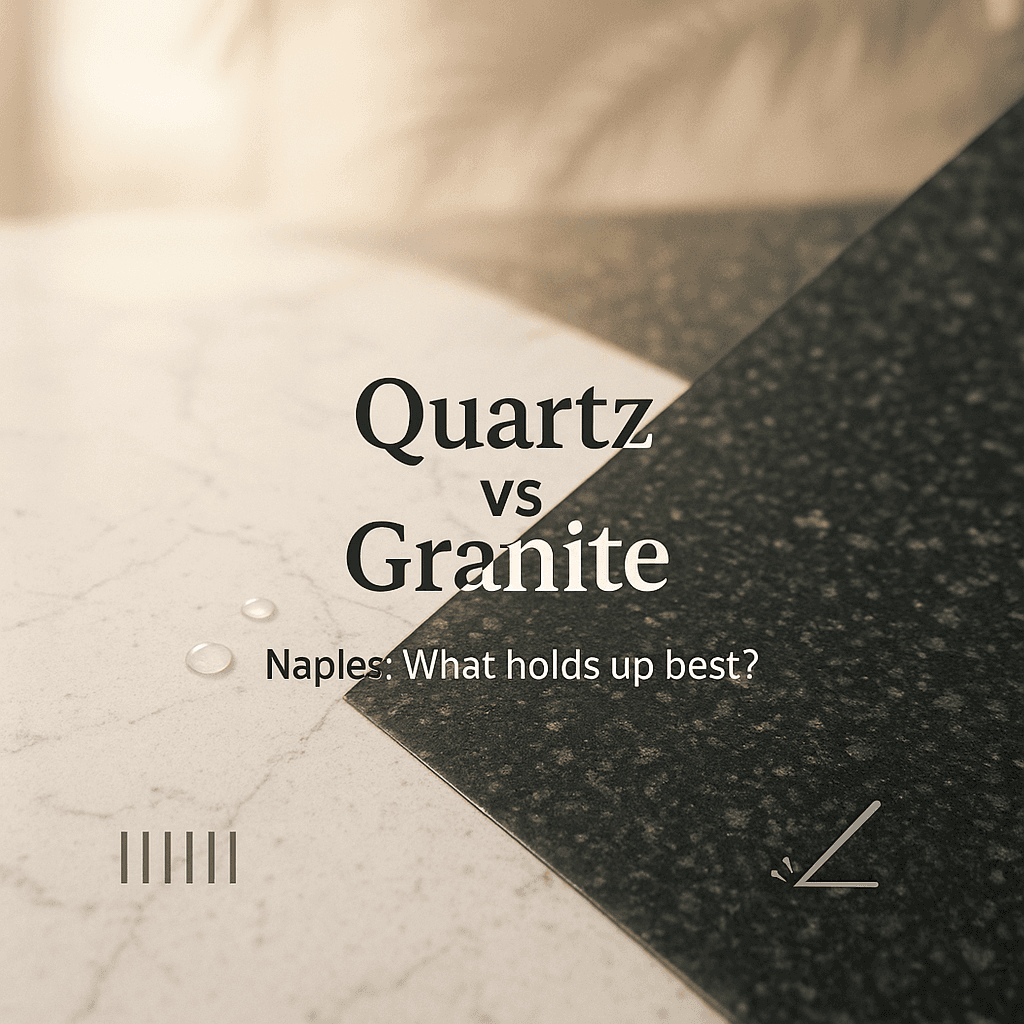
Picking a countertop in Naples feels like a simple decision until you live with it for a few summers.
Heat. Humidity. Sand on everything. Kids coming in from the pool. Red wine on a Friday night. A neighbor dropping by and setting a sweaty glass straight on the stone like it’s no big deal.
So yeah, the “what looks best” question matters. But the bigger question is what holds up best in real Naples life.
This post breaks down quartz vs granite the way homeowners actually experience it, not how a showroom tag explains it.
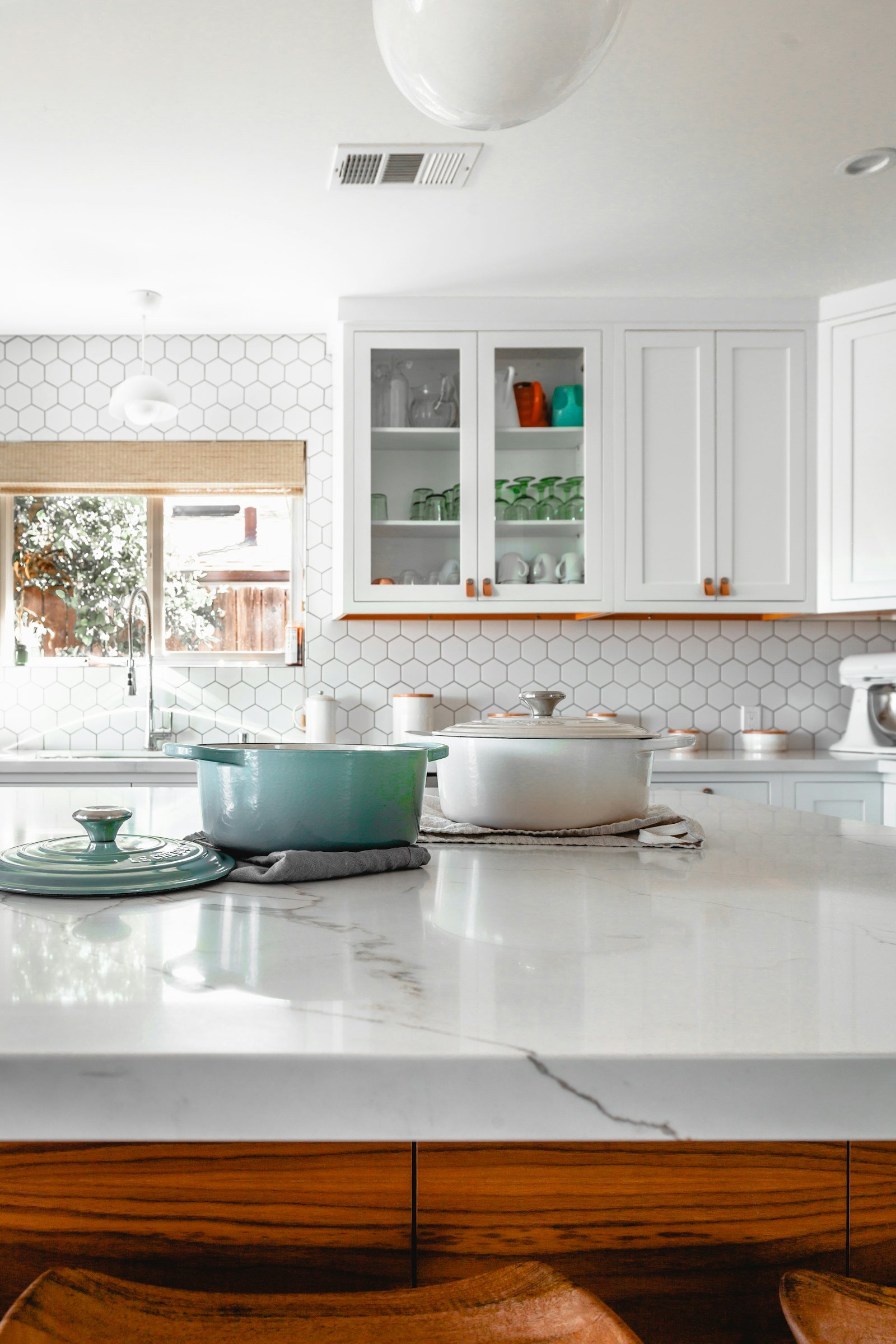
The quick answer, if you want it first
If you want low maintenance and consistent looks, quartz usually wins.
If you want natural stone character and better heat tolerance, granite is hard to beat.
But Naples throws in some extra variables that can flip the decision depending on your kitchen layout and how you cook.
Let’s get into it.
How Naples conditions change the “normal” countertop debate
A lot of countertop advice online is written for… I don’t know, dry places. Or places where people aren’t constantly dealing with humidity and outdoor living blending into indoor living.
In Naples, a few things are just more common:
- Doors opening and closing to lanais, pool decks, patios. More grit and moisture gets tracked in.
- Bright natural light. It shows seams, patterns, and smudges more than you think.
- High end kitchens where people care about resale, but also don’t want babysitting-level maintenance.
- Entertaining. Countertops become serving stations, bar tops, appetizer zones. They get used.
So the best countertop here is usually the one that stays looking clean without you having to think about it all the time.
Quartz in Naples: what it does really well
Quartz is an engineered surface. It’s made from natural quartz particles plus resins and pigments. That manufacturing part matters, because it’s why quartz behaves the way it does.
1) Quartz is basically the “easy mode” countertop
Quartz is non-porous, so it doesn’t absorb liquid the way many natural stones can.
Meaning:
- wine spills are less dramatic
- coffee rings are less permanent
- oily splashes near the cooktop are easier to wipe
- you don’t have to remember sealing schedules
In a busy Naples household or a seasonal home that sits empty for part of the year, that low maintenance factor is huge.
2) Quartz looks consistent, on purpose
If you want a clean, controlled look, quartz is great.
You can get:
- bright whites that stay visually consistent
- soft marble-look veining without the randomness
- modern concrete looks
- very subtle patterns that don’t fight your cabinets or backsplash
And in Naples, where a lot of kitchens lean coastal, light, airy, quartz plays nicely. Especially if you’re doing white oak cabinets or creamy painted cabinetry.
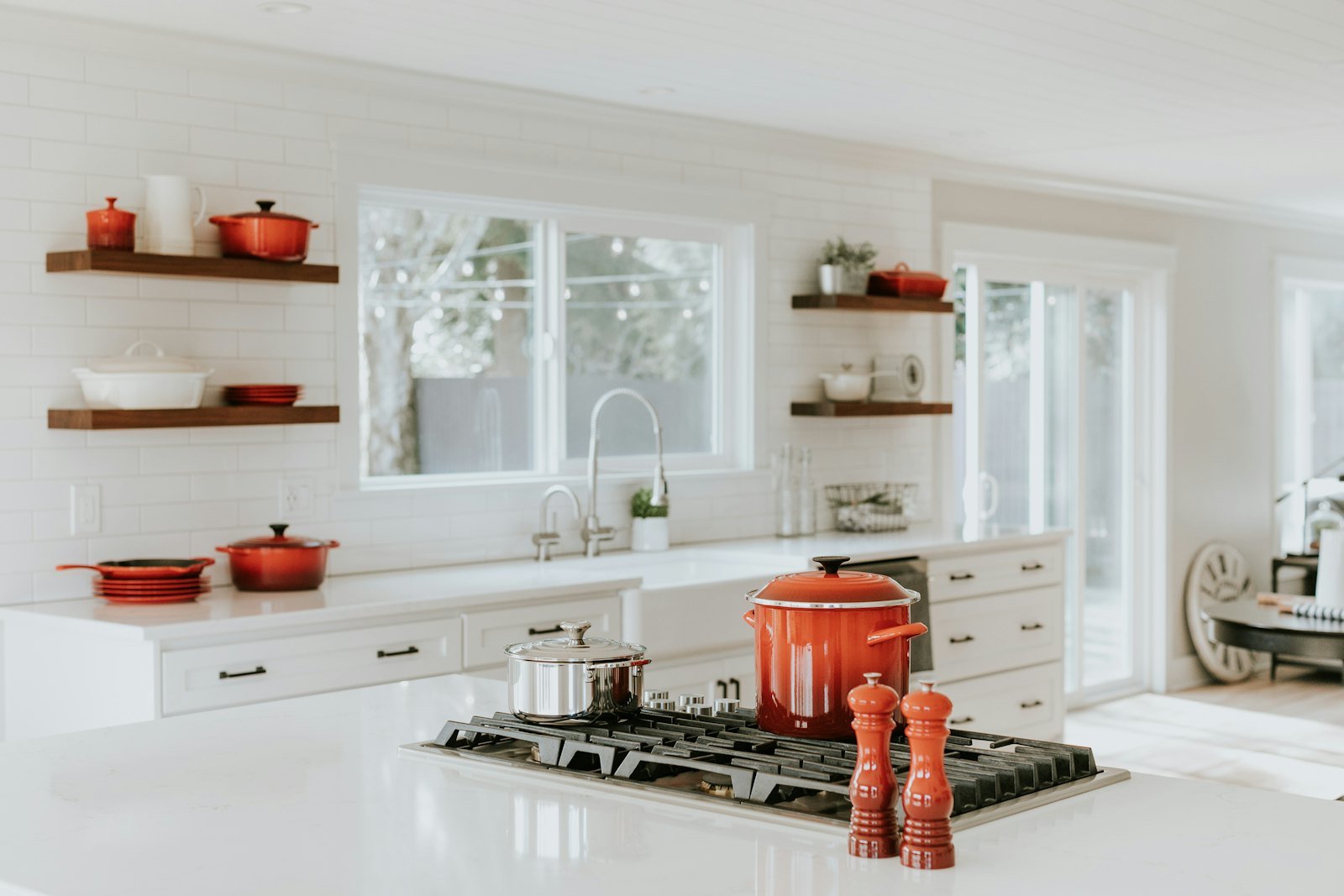
3) Quartz resists staining better (in daily reality)
A lot of people say granite “resists staining” too, which can be true. But with granite, it depends on the slab and the sealing and how quickly you wipe things up.
Quartz is more predictable. If you’re the type who wants to wipe the counter later, not immediately, quartz is forgiving.
Quartz weaknesses you should know (especially in a real kitchen)
Quartz is tough, but it has one Achilles heel:
Heat.
Because of the resins in quartz, super hot pans can scorch or discolor the surface. Not every time. Not instantly. But it’s a risk.
If you do a lot of:
- pulling trays straight out of the oven and setting them down
- cooking with cast iron
- using the counter near a busy cooktop as a landing spot
… quartz might annoy you unless you’re disciplined with trivets.
Also, quartz can sometimes show:
- smudges on darker colors
- certain “printed” patterns feeling a bit too uniform if you love natural variation
Not dealbreakers. Just real things people notice after install.
Granite in Naples: what it does really well
Granite is natural stone. Every slab is different, which is part of the appeal.
1) Granite handles heat better
Granite is generally more heat resistant than quartz. You still don’t want to abuse it. But if you accidentally set something hot down for a moment, granite is less likely to suffer cosmetic damage.
In a kitchen where people actually cook, that matters.
2) Granite can be a workhorse (if you pick the right one)
Some granites are incredibly dense and durable.
They hold up well to:
- daily prep
- normal kitchen messes
- light scratches (though cutting directly on any countertop is still not smart)
If you want something that feels solid and timeless, granite still has that “real stone” vibe that quartz can’t fully mimic.
3) Granite hides crumbs and chaos better sometimes
This surprises people.
If you choose a granite with movement and natural variation, it can camouflage:
- tiny crumbs
- minor smears
- the random stuff that appears when family is around
Whereas a very clean, very bright quartz can make you feel like you’re constantly wiping. Depends on color choice, but it’s a thing.
Granite weaknesses (the stuff people forget to mention)
Granite is porous to varying degrees, so:
- it may need sealing
- certain slabs are more stain-prone than others
- if you skip sealing long enough, you can regret it
Also, granite can sometimes have tiny natural fissures or pits. Not always a structural issue. But if you’re expecting perfectly uniform, glassy smooth, you need to hand pick the slab and finish.
For an in-depth look at the pros and cons of granite countertops, including some real-world trade-offs, check out this comprehensive guide on 12 pros and cons of granite countertops.
Quartz vs granite in Naples: side by side
Here’s the practical comparison, without getting too scientific about it.
Maintenance
- Quartz: wipe and go. No sealing.
- Granite: occasional sealing depending on slab and use.
If you want the least mental overhead, quartz wins.
Heat resistance
- Quartz: decent, but risky with direct high heat.
- Granite: better with heat, more forgiving.
If you cook hard and fast, granite has an edge.
Stain resistance
- Quartz: excellent for most daily spills.
- Granite: good, but depends on sealing and stone type.
If you entertain a lot and don’t want to panic about wine, quartz is easier.
Scratches and chips
Both are durable. Both can chip at edges if something heavy hits the corner just right. Quartz can sometimes be a bit more prone to visible edge chipping depending on profile and overhang design.
This is where the installer and fabrication quality matter a lot. Like, a lot.
Looks and “feel”
- Quartz: controlled, consistent, designer-friendly.
- Granite: natural variation, one-of-one character.
If you love uniqueness, granite is hard to replace. If you love clean and calm, quartz is usually the move.
What holds up best in a Naples remodel, specifically?
If we’re talking about “holds up” as in still looks great years later without drama, most Naples homeowners lean quartz for one reason.
Life is busy. The kitchen is used. People come and go. You want the surface to behave.
So in many real-world projects, quartz holds up best because it avoids the two big long-term annoyances:
- gradual staining or darkening in certain areas (when sealing gets skipped)
- the maintenance cycle homeowners always swear they’ll do… and then don’t
That said, granite holds up better if:
- you’re placing countertops tight to the cooktop and you know you’ll set hot items down
- you prefer a warmer, natural, slightly more traditional feel
- you’re comfortable sealing or have house staff or just… you’re on top of that kind of thing
The most common Naples mistake: choosing based on a tiny sample
A small quartz sample looks one way. A full slab can feel totally different under your lighting.
Same with granite. Actually, especially with granite.
Naples kitchens tend to have:
- lots of daylight
- warm ambient lighting at night
- reflective surfaces like polished floors, glossy backsplashes, stainless appliances
That means your countertop might look perfect at 2 pm and completely different at 8 pm.
So, if you can, view the slab. Or at least view a large panel. And take your cabinet door sample with you.
Design note: which one helps resale more in Naples?
This changes by neighborhood and price point, but generally:
- Quartz is very popular in newer, updated homes because it reads “fresh” and “clean.”
- Granite still sells well when it’s a modern color and not the older busy speckled look people associate with early 2000s builds.
In high-end Naples homes, either can be perfect. The bigger resale killer is picking something that clashes with the overall style or looks dated fast.
My practical recommendations (not one-size-fits-all)
If you tell me nothing else and want a safe pick:
- For a bright coastal kitchen: light quartz with soft veining
- For a warm, natural luxury kitchen: a cleaner, modern granite with movement
- For heavy cooking households: granite (or quartz with strict heat habits)
- For second homes and seasonal use: quartz (less maintenance surprises)
And no, you don’t have to match what your neighbor did. You have to match your habits.
One last thing: fabrication and installation matter more than the material
You can choose the “best” stone and still end up unhappy if the layout, seams, edge profiles, and support are done wrong.
A few examples that come up a lot:
- seams placed right where everyone stands at the sink
- waterfall edges that don’t align with veining
- weak overhang support on an island
- poor sink cutout finishing
- wrong radius corners for a busy family kitchen
This is why working with a kitchen remodeling team that manages the whole project, not just the countertop order, makes the decision feel a lot less stressful.
If you’re remodeling in Naples and want help choosing a countertop that fits your layout, cooking style, and overall design, you can reach out to Kitchen Remodeling Naples FL by Cutting Edge here: https://kitchen-remodeling-naples-fl.com/
A quick consult can save you from the classic “looked amazing in the showroom” regret.
Wrap up
Quartz and granite both hold up in Naples. Neither is a bad choice.
But if we’re talking pure day-to-day durability with the least maintenance, quartz usually comes out ahead. Granite is still the king of natural stone character and heat tolerance.
The best countertop is the one you do not have to worry about. Not the one that wins internet arguments.
FAQs (Frequently Asked Questions)
What are the main differences between quartz and granite countertops in Naples?
Quartz countertops offer low maintenance and consistent looks, being non-porous and resistant to stains, making them ideal for busy Naples households. Granite countertops provide natural stone character with better heat tolerance and durability, suitable for active kitchens where heat resistance is important.
How do Naples climate conditions affect countertop choices?
Naples’ heat, humidity, bright natural light, and outdoor-indoor living increase exposure to moisture, grit, and show seams or smudges more easily. Countertops that stay looking clean without constant upkeep, like quartz, often perform better under these conditions.
Why is quartz considered low maintenance for Naples kitchens?
Quartz is engineered from natural quartz particles combined with resins and pigments, making it non-porous. This prevents liquid absorption, reduces staining from wine or coffee, eliminates sealing needs, and simplifies cleaning oily splashes common in busy or seasonal Naples homes.
What are the drawbacks of quartz countertops in real kitchen use?
Quartz has lower heat resistance due to its resin content; placing hot pans directly can scorch or discolor the surface. It may also show smudges on darker colors and have uniform patterns that lack natural variation some homeowners prefer.
How does granite perform in terms of heat resistance and durability in Naples kitchens?
Granite is a natural stone that generally withstands heat better than quartz, tolerating accidental hot pans without cosmetic damage. Dense granites are durable against daily prep tasks and light scratches, offering a solid, timeless appearance favored by many homeowners.
Which countertop material hides kitchen messes better in a Naples home?
Granite can sometimes hide crumbs and general kitchen chaos more effectively due to its natural patterns and textures. This can be advantageous in active households where countertops double as serving stations or prep areas during entertaining.