
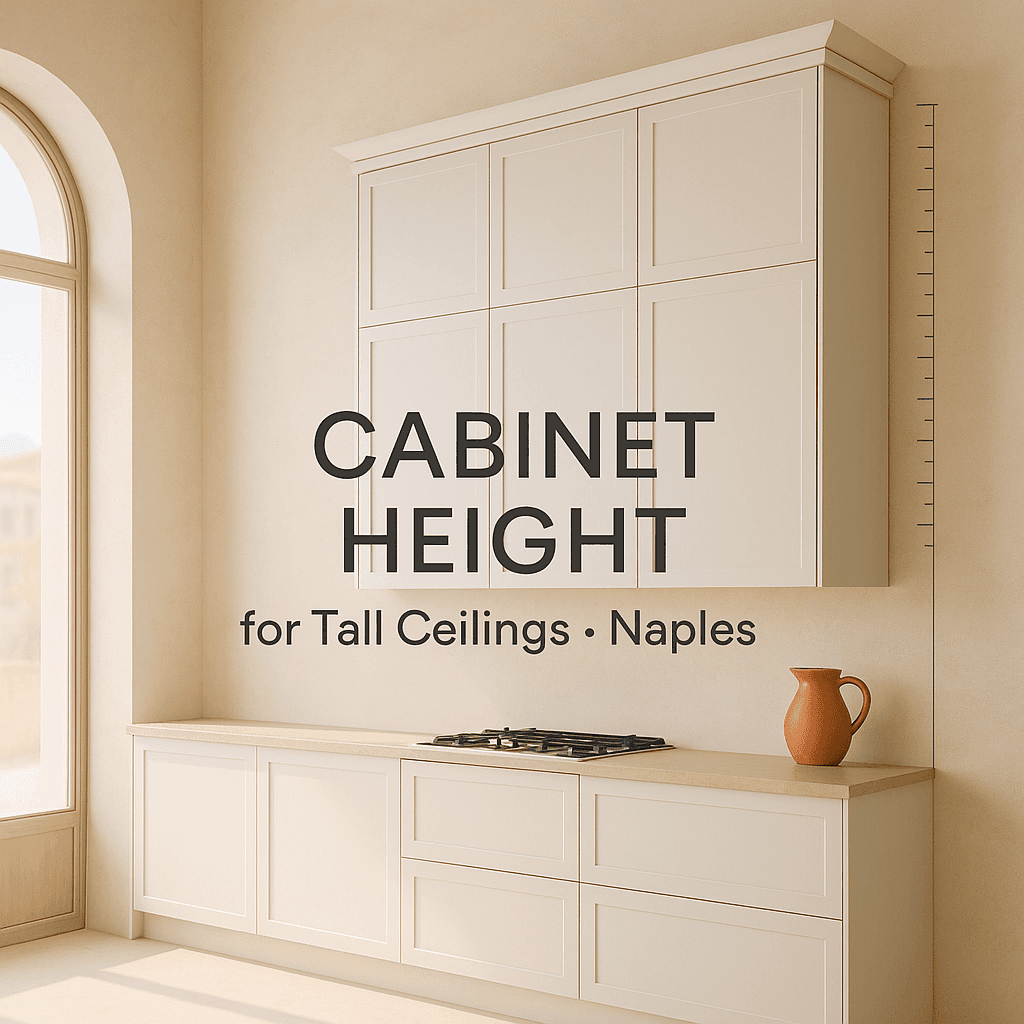
Tall ceilings are one of those things that sound purely dreamy on Zillow. Then you move in, stand in your kitchen, look up, and realize the room is basically a small cathedral.
And suddenly the normal rules for cabinets feel… off.
In Naples, Florida, tall ceilings show up a lot. Coastal contemporary homes, Mediterranean builds, newer custom homes out east, condos with volume ceilings, renovated older properties that opened up the roofline. You name it. The point is, if your kitchen has 9 foot, 10 foot, even 12 foot ceilings, you can absolutely make cabinets look right. But you need to pick the cabinet height intentionally, not just default to whatever your neighbor did.
This guide walks through the cabinet height options that actually work for tall ceilings in Naples, plus the practical stuff people forget. Storage, proportions, soffits (or not), crown molding, and the little design choices that make a kitchen look expensive instead of unfinished.
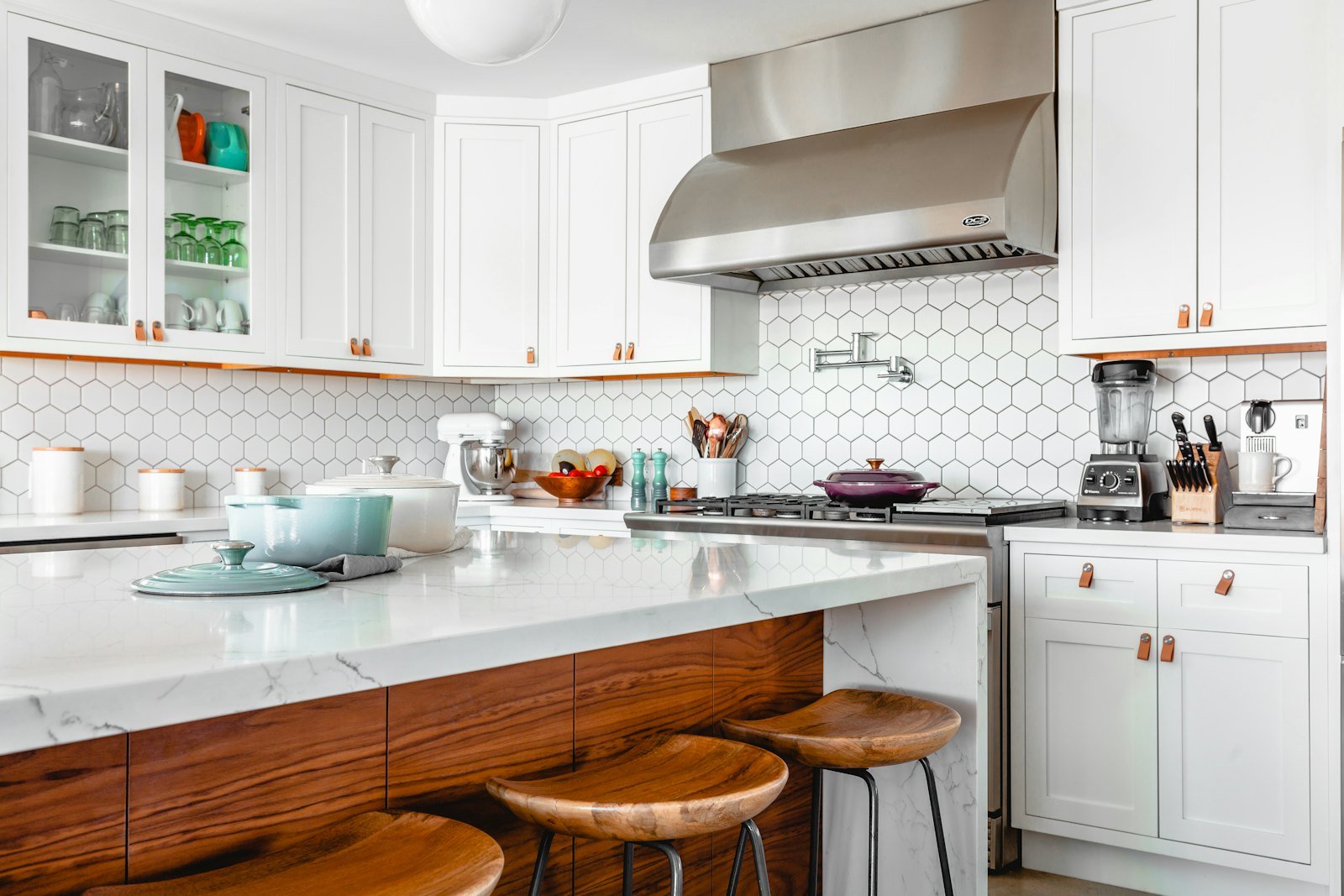
First, what “tall ceilings” usually means in Naples kitchens
Let’s put some numbers to it, because “tall” is vague.
- 8 foot ceilings: standard. Most cabinet lines are built with this in mind.
- 9 foot ceilings: common in Naples and where cabinet decisions start to matter.
- 10 foot ceilings: very common in higher end homes and new builds.
- 11 to 12 foot ceilings (or vaulted/volume): where things can look weird fast if you don’t plan.
And here’s the thing. It’s not only ceiling height, it’s also the room’s scale. A big open plan kitchen that flows into living space with tall windows needs a different cabinet strategy than a narrow kitchen with tall ceilings but not much wall width.
The “default” cabinet height and why it can look wrong
The most common setup you’ll see everywhere is:
- Base cabinets: 34.5 inches (plus countertop thickness)
- Upper cabinets: 30 inches
- Space between counter and uppers: typically 18 inches
- Resulting top of uppers: around 84 inches (7 feet) from the floor
That works fine in an 8 foot room. In a 10 foot Naples kitchen? You end up with a giant dead band above the uppers that collects dust and makes the wall look unfinished. Like the cabinets stopped early.
So. For tall ceilings, you generally have two good directions:
- Go taller with the uppers.
- Stack cabinets or build to the ceiling.
And which one is “right” depends on ceiling height, style, and budget.
Best cabinet heights for 9 foot ceilings
If you have 9 foot ceilings, you’re in the sweet spot where a few standard solutions look great.
Option A: 42 inch uppers (most common “right” answer)
This is the classic upgrade for 9 foot ceilings.
- 42 inch upper cabinets
- Crown molding to finish the top
- Minimal dead space above
It visually fills the wall, gives you extra storage, and still feels balanced.
Option B: 36 inch uppers with a taller crown and/or a small top gap
This can work if you want a lighter look and you don’t want cabinetry dominating the room. Especially if you’re using open shelving or want more wall space for tile.
But you have to detail it properly, otherwise it reads like you ran out of cabinets.
Best cabinet heights for 10 foot ceilings (Naples favorite)
10 foot ceilings are where people either nail it or miss badly. You can’t just throw 42 inch uppers in and call it done. Sometimes it works, sometimes it still leaves too much air.
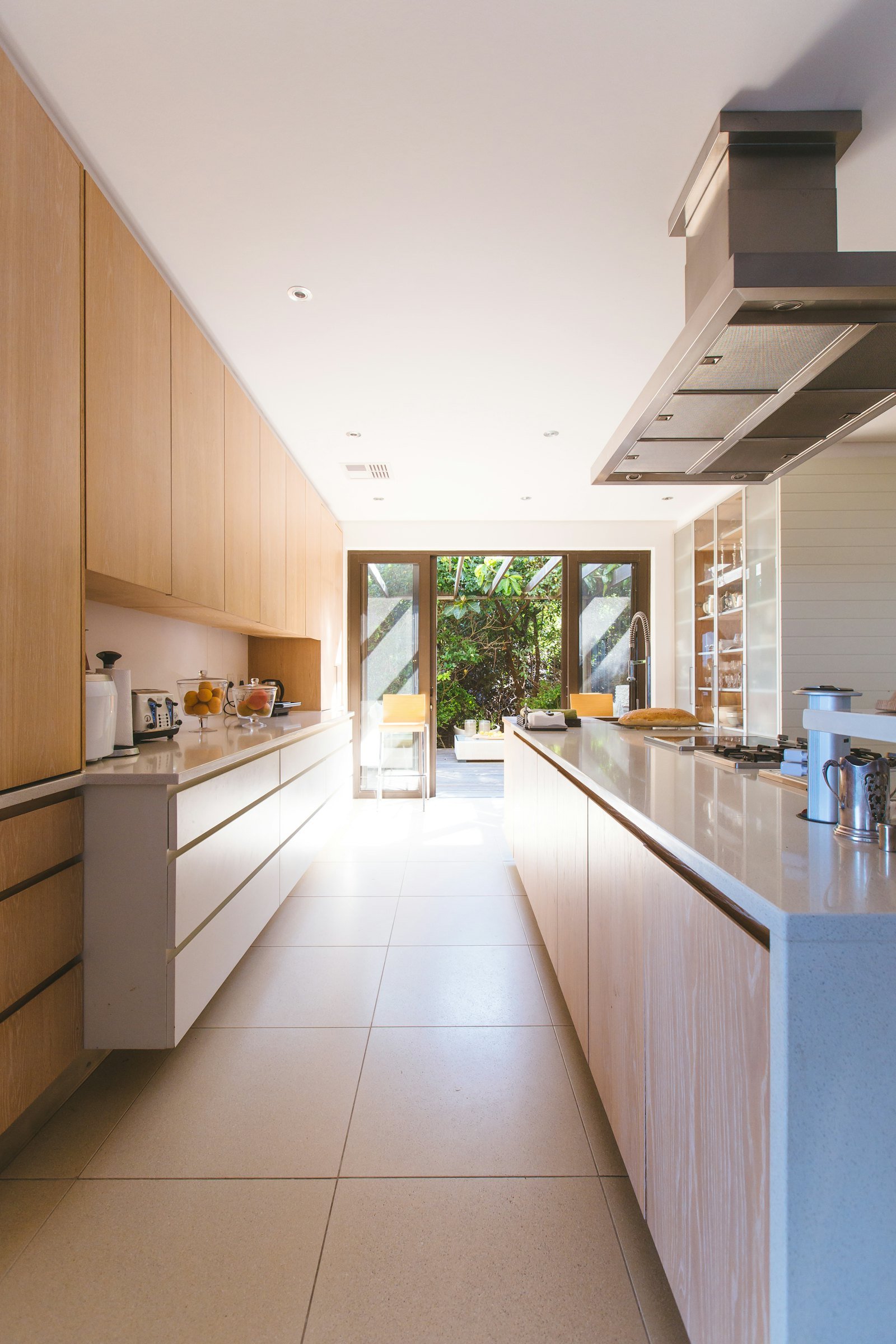
Option A: Full height uppers to the ceiling (with 48 inch uppers or stacked)
The most “custom” look, and honestly the one that tends to photograph best.
There are two ways to get there:
- Taller single uppers (when available in the cabinet line)
- Stacked cabinets: for example 42 inch cabinets plus a 12 inch top cabinet
Stacked is popular in Naples because it fits transitional, coastal, and contemporary styles really well. And it lets you do fun stuff like glass fronts on the top row, or a slightly different finish, or interior lighting.
Option B: 42 inch uppers + substantial crown + intentional gap
This can still work, but it needs to look intentional. Usually that means:
- Larger crown molding profile
- A small framed soffit look without a real soffit
- Or a horizontal design element like a full height backsplash behind a range
If you go this route, the goal is: make the space above the cabinets look like a design choice, not a mistake.
What I usually tell homeowners
If you’re already investing in a higher end kitchen in Naples, bring the cabinets to the ceiling if the design supports it. It’s cleaner. Less dust shelf. More storage. And it reads “finished.”
Best cabinet heights for 11 to 12 foot ceilings (or volume ceilings)
Now it gets interesting.
If you have 11 or 12 foot ceilings, or a ceiling that vaults up, full height cabinets can look incredible. Or they can look like a library ladder should be included.
You basically have three strategies:
Option A: Stacked cabinets with a strong crown
This is the go to because it keeps the kitchen proportional and avoids a huge blank wall. Example:
- 42 inch main uppers
- 15 inch stacked top
- Crown to ceiling
You can also do 36 + 24 stacking depending on the line and the look.
Option B: Stop uppers at a “comfortable” height and add architectural elements
For some homes, especially with volume ceilings, you might not want cabinets following the roofline. Instead you do:
- 42 inch uppers
- A wood beam, a plaster hood, tall windows, or a feature wall
- Maybe even open shelves that go higher in one section
This is where a designer’s eye matters. You’re composing a wall, not just installing boxes.
Option C: Use a true soffit (rare now, but sometimes smart)
Soffits get a bad reputation because older kitchens had bulky boxed soffits that screamed 1992. But a slim, modern soffit can still solve problems like:
- weird ceiling transitions
- ductwork
- uneven ceiling lines
- lighting layouts
It’s not automatically wrong. It’s just easy to do poorly.
The “right” cabinet height is also about reach and daily use
Quick reality check. The tallest cabinets look amazing. But you still have to live with them.
If you go to the ceiling in a 10 to 12 foot room, the top shelves become:
- seasonal storage
- serving platters you use twice a year
- hurricane supplies (not kidding)
- backup paper towels and Costco stuff
So the design question becomes: do you want your everyday items up there? Or do you want the top space as a clean visual finish?
Most Naples homeowners I talk to are fine with the top shelves being “not daily.” They just want the kitchen to look complete and upscale.
Don’t forget crown molding, light rails, and the “cabinet to ceiling” transition
A big part of why tall cabinet installs look expensive is the trim work.
- Crown molding: helps close the gap to the ceiling and adds weight at the top.
- Scribed fillers: when ceilings aren’t perfectly level (they often aren’t), you need scribing so it doesn’t look like a jagged line.
- Light rail molding (optional): can finish the underside of uppers, especially with under cabinet lighting.
Cabinets to the ceiling is not just “buy taller cabinets.” It’s how they meet the ceiling. That joint is everything.
Naples specific things that can affect cabinet height decisions
A few local factors show up a lot:
Humidity and material stability
Naples humidity is real, and seasonal swings can affect wood movement. This matters for tall doors, stacked cabinets, and crown. A good installer will account for it with proper spacing, fastening, and material selection.
Coastal style preferences
A lot of Naples kitchens lean coastal contemporary or transitional, which tends to favor:
- clean full height cabinetry
- stacked glass uppers
- lighter finishes
- simple crown profiles
Super ornate crown can work, but it has to match the architecture.
Lighting
Tall ceilings want layered lighting. If you raise cabinets, you may change:
- where recessed lights land
- whether you can run lighting above cabinets (if you keep a gap)
- how pendants relate to the overall height
This is why cabinet height should be decided before the electrical plan is finalized.
Quick cheat sheet: cabinet heights that usually look “right”
Not rules. But good starting points.
For 9 foot ceilings
- 42 inch uppers (often best)
- Or 36 inch uppers with stronger crown and intentional spacing
For 10 foot ceilings
- Stacked cabinets to ceiling (very common for high end Naples remodels)
- Or 42 inch uppers with a well detailed top finish
For 11 to 12 foot ceilings
- Stacked cabinets plus crown
- Or stop at 42 inches and add strong architectural focal points
A simple way to choose without overthinking it
If you’re stuck, do this:
- Measure ceiling height.
- Decide if you want cabinets to the ceiling (clean, finished, more storage) or not (lighter, less imposing).
- Pick one “hero wall” (usually the range wall) and design that first.
- Match the rest of the kitchen to it.
Designing the range wall first is a weirdly effective trick. It forces decisions about height, symmetry, crown, hood style, and overall scale.
Getting it right in a remodel (and not regretting it)
Cabinet height becomes a regret when someone chooses based on habit, not proportion.
In tall Naples kitchens, most regrets sound like:
- “Why is there so much dead space above the cabinets?”
- “Now everything looks short.”
- “I didn’t realize we’d need a step stool for half the storage.”
- “The crown looks tiny because the room is so tall.”
These are avoidable. But you have to decide early, before cabinets are ordered.
If you want help, this is exactly the kind of detail a good remodeler should guide
If you’re remodeling in Naples and you want your cabinet heights to look right with your ceiling height, lighting plan, and overall style, that’s the kind of planning we do every day.
You can check out Kitchen Remodeling Naples FL by Cutting Edge here: https://kitchen-remodeling-naples-fl.com/
And if you’re at the “we need someone to look at our space and tell us what makes sense” stage, it’s worth requesting a consultation and getting real options based on your exact ceiling height and layout.
Because honestly. Tall ceilings are a gift. You just have to finish the sentence with the right cabinets.
FAQs (Frequently Asked Questions)
What ceiling heights are considered tall in Naples kitchens?
In Naples kitchens, tall ceilings typically refer to heights of 9 feet, 10 feet, and even 11 to 12 feet or vaulted/volume ceilings. While 8-foot ceilings are standard, anything above starts to require intentional cabinet height decisions.
Why do standard cabinet heights often look off in kitchens with tall ceilings?
Standard cabinets are designed for 8-foot ceilings with upper cabinets around 30 inches tall, resulting in a top height of about 7 feet. In taller kitchens, this leaves a large empty space above the cabinets that collects dust and makes the wall look unfinished or like the cabinetry stopped early.
What are the best cabinet height options for kitchens with 9-foot ceilings in Naples?
For 9-foot ceilings, two popular options work well: Option A is installing 42-inch upper cabinets with crown molding to minimize dead space and add storage; Option B is using 36-inch uppers combined with taller crown molding or a small top gap for a lighter look, especially if incorporating open shelving or more wall tile.
How should cabinets be designed for kitchens with 10-foot ceilings?
With 10-foot ceilings, simply using 42-inch uppers may leave too much air above. The best approaches include: Option A – full-height upper cabinets reaching the ceiling via taller single uppers or stacked cabinets (like combining 42-inch plus 12-inch top cabinets) which adds storage and a custom look; Option B – using 42-inch uppers paired with substantial crown molding and an intentional design element such as a framed soffit or full-height backsplash to make any gap look purposeful.
What is recommended for homeowners investing in higher-end kitchens with tall ceilings in Naples?
For high-end kitchen projects with tall ceilings, it’s generally advised to bring the cabinets all the way up to the ceiling. This approach creates a cleaner look, eliminates dust-collecting shelves above cabinets, provides more storage space, and gives the kitchen a finished, polished appearance.
How do cabinet designs adapt for very tall (11-12 foot) or vaulted/volume ceilings?
For ceilings of 11 to 12 feet or vaulted designs, full-height cabinetry can create an impressive visual impact but risks feeling overwhelming if not planned carefully. Design strategies may include stacked cabinets, incorporating different finishes or glass fronts on upper sections, interior lighting, and sometimes adding functional elements like library ladders. The key is balancing scale and style so the cabinetry complements rather than dominates the space.