
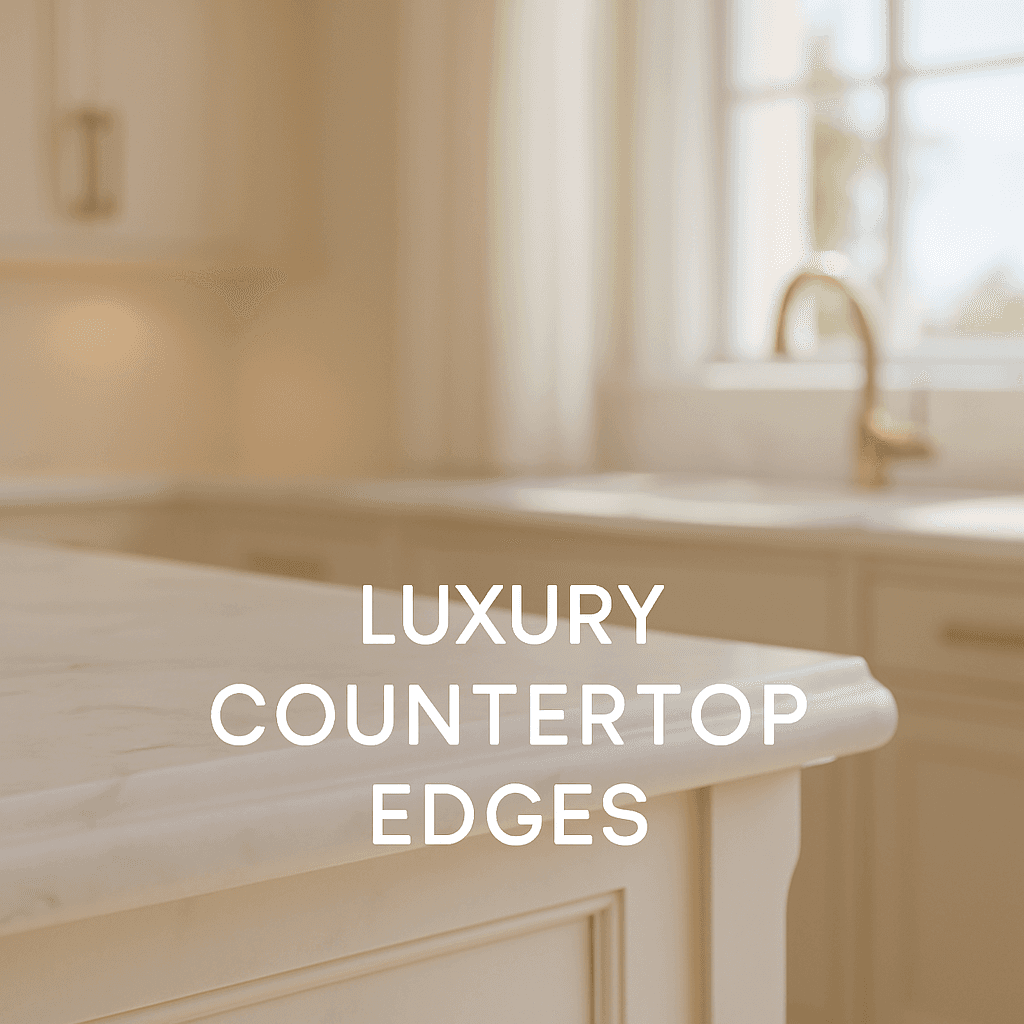
A countertop edge sounds like a tiny detail. Like something you pick in the last five minutes after you already chose the stone, the cabinets, the sink, the faucet, everything.
And then you see the slab in person, the light hits it, and suddenly the edge is… the whole vibe. It’s the frame around the stone. It’s what your hand touches every single day. It’s what shows up in photos, and it’s what makes a kitchen look custom instead of builder grade.
In Naples, where kitchens are often bright, open, coastal, and very design forward, the edge profile matters more than people expect. Especially in luxury homes where everything else is already polished.
Below are the countertop edges that tend to look the most high end in Naples kitchens, plus the practical stuff no one tells you until after install.
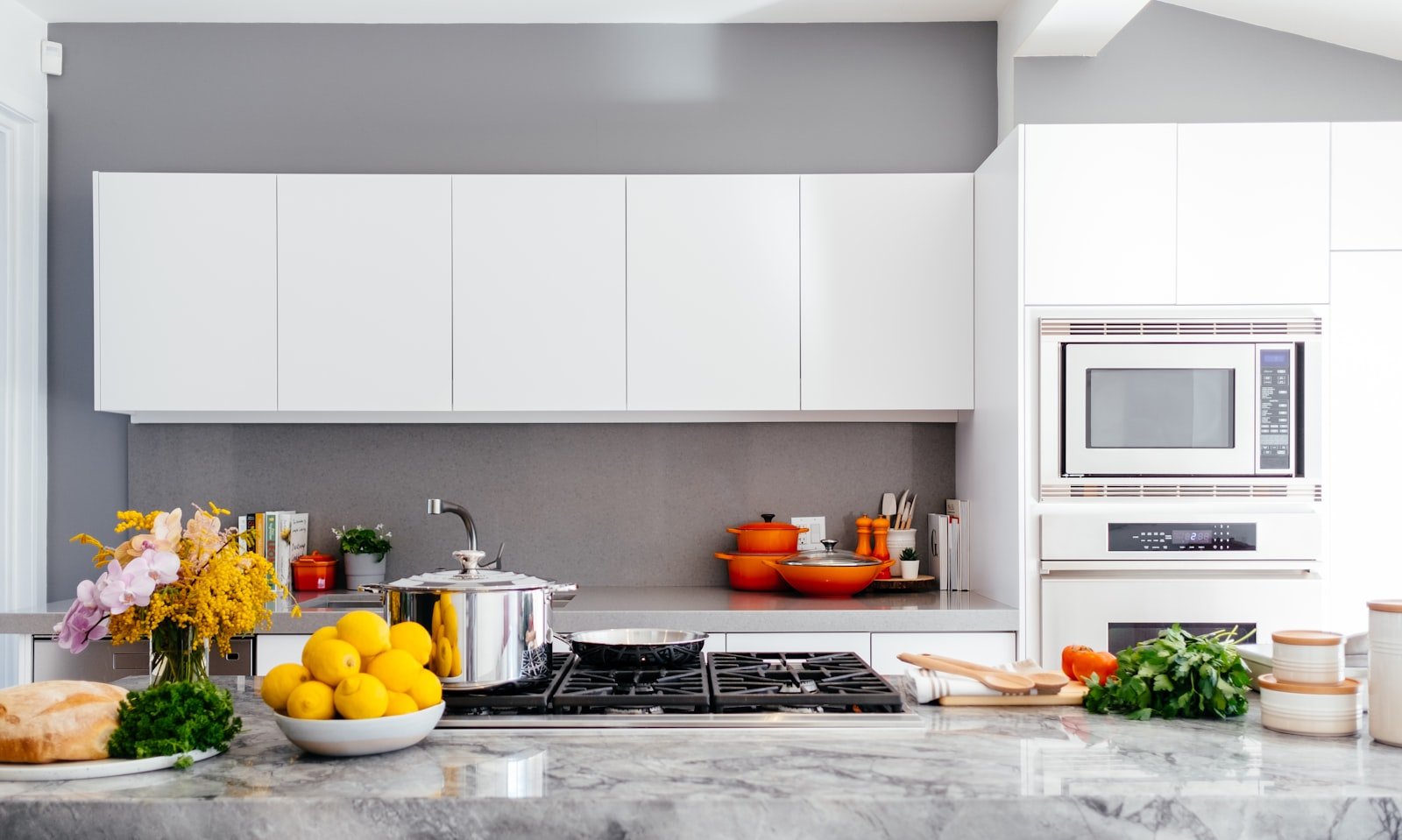
First, a quick way to choose the “right” edge
Before we get into the menu of edge profiles, here’s the shortcut I use.
Ask yourself:
- Is your kitchen more modern or more classic?
- Do you want the countertop to look thin and sleek, or thick and bold?
- Is this a busy kitchen with kids, guests, entertaining, lots of movement?
- Are you doing a waterfall island, or just a standard overhang?
Because an edge that looks amazing in a modern Pelican Bay condo can feel out of place in a classic Old Naples home with inset cabinetry and decorative hardware.
Ok. Edges.
1. Eased edge (the quiet luxury choice)
An eased edge is basically a straight edge with a tiny softened corner. Not sharp. Not rounded like a bullnose. Just… clean.
This is probably the most “quiet luxury” edge profile you can pick, especially with:
- quartzite slabs that already have movement
- marble look quartz
- modern white oak cabinetry
- flat panel or slim shaker doors
It reads high end because it doesn’t try too hard. It lets the stone do the talking.
Why Naples homeowners love it: it looks clean in natural light. And Naples kitchens get a lot of natural light.
Good to know: eased edges show the thickness of the slab honestly, so if you want a chunky look, you’ll do that with a thicker top or a mitered build up, not with the edge itself.
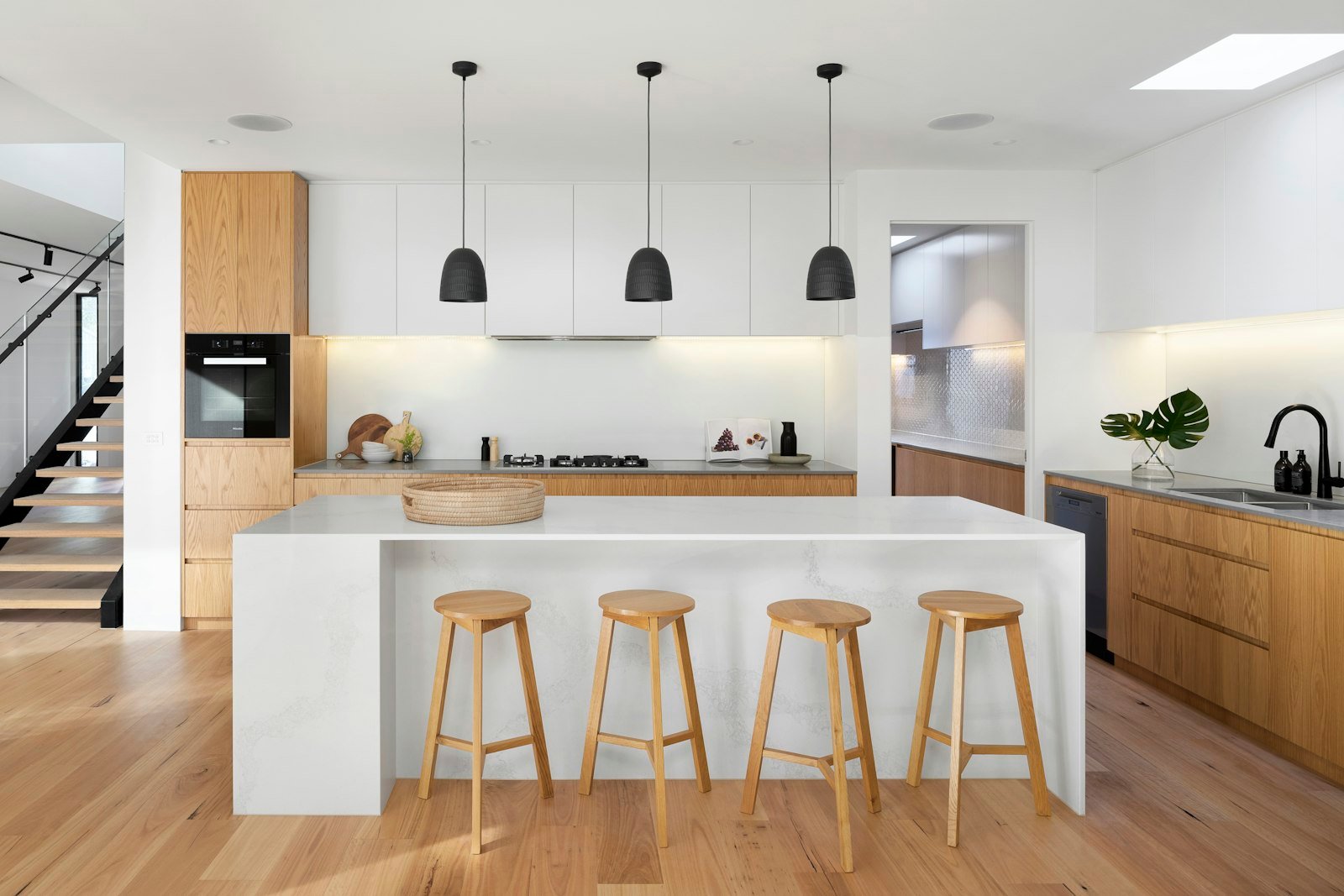
2. Mitered edge (for that thick, custom slab look)
A mitered edge is when the fabricator joins two pieces at a 45 degree angle to make the countertop look thicker. Usually 2 inches, 3 inches, even 4 inches.
This is the edge that makes people stop and go, “Wait, what stone is that?” because it looks expensive even if the material is simple.
Best for:
- waterfall islands
- oversized islands
- modern kitchens with large format cabinet faces
- dramatic quartzite with bold veining (so the veining can wrap)
Naples specific tip: if you’re doing a waterfall edge in a home with lots of stone flooring, a mitered edge helps the island hold its own visually. Otherwise it can look a little thin and floaty in a big space.
Watch out for: mitered edges are craftsmanship dependent. The seam placement, the alignment, the polishing. If it’s done poorly, you’ll notice.
If you’re planning a full kitchen remodel and want help coordinating slab selection, edge profile, and layout as one cohesive decision, you can start with a consultation through Kitchen Remodeling Naples FL by Cutting Edge here: https://kitchen-remodeling-naples-fl.com/
3. Waterfall edge (not a profile, but it changes everything)
Not exactly an edge profile, I know. But in luxury kitchens, the waterfall becomes the edge moment.
A waterfall is when the countertop material continues down the side of the island to the floor. It’s architectural. It makes the island feel like furniture. Or like a sculpture, depending on the stone.
Best pairings:
- mitered edge at the top (to keep it bold)
- eased edge if you want it clean and minimal
Best stones for a waterfall in Naples:
- quartzite (especially if you want movement and natural texture)
- quartz for consistency and ease
- marble if it’s a second home and you’re okay with patina
One real life note: waterfall edges are where you see the fabricator’s layout skills. Vein matching matters. Direction matters. If you get the layout wrong, it can feel like three different slabs instead of one continuous statement.
4. Half bullnose (soft, classic, still upscale)
Half bullnose is rounded on top, straight on bottom. It’s softer than eased, but it still feels tailored.
This one is a good bridge when you want something classic, but you don’t want the full traditional look of an ornate edge.
Works really well with:
- warm cream cabinets
- decorative tile backsplashes
- transitional kitchens (mix of modern + classic)
- family friendly kitchens where sharp corners feel risky
Bonus: it’s forgiving. You’re less likely to chip it, and it hides small imperfections better than a crisp square edge.
5. Full bullnose (very traditional, but can be gorgeous in the right home)
Full bullnose is rounded top and bottom. Very soft. Very traditional.
In some Naples homes, especially older coastal estates or Mediterranean influenced architecture, it still fits. But in a modern luxury kitchen, it can feel dated fast.
When it still looks luxury:
- when the stone is premium and the rest of the design is cohesive
- when it’s paired with classic details like decorative corbels, furniture style islands, and heavier trim profiles
When to avoid it: if you’re going for a sleek contemporary kitchen, skip it. It fights the lines.
6. Ogee edge (high drama, classic luxury)
Ogee is the edge with an S curve. It’s decorative. It’s the “I want this to look expensive” edge, and honestly, it usually does.
But it’s not subtle.
Best for:
- traditional luxury kitchens
- ornate cabinetry
- statement lighting
- higher ceilings where details don’t feel cramped
Naples tip: ogee can look incredible in a bright kitchen if the rest of the palette is calm. White cabinets, soft warm backsplash, and then an ogee edge on a gorgeous stone can feel like classic Palm Beach luxury. That kind of thing.
Practical note: ogee edges can collect crumbs in the curve. Not a deal breaker, just a real thing.
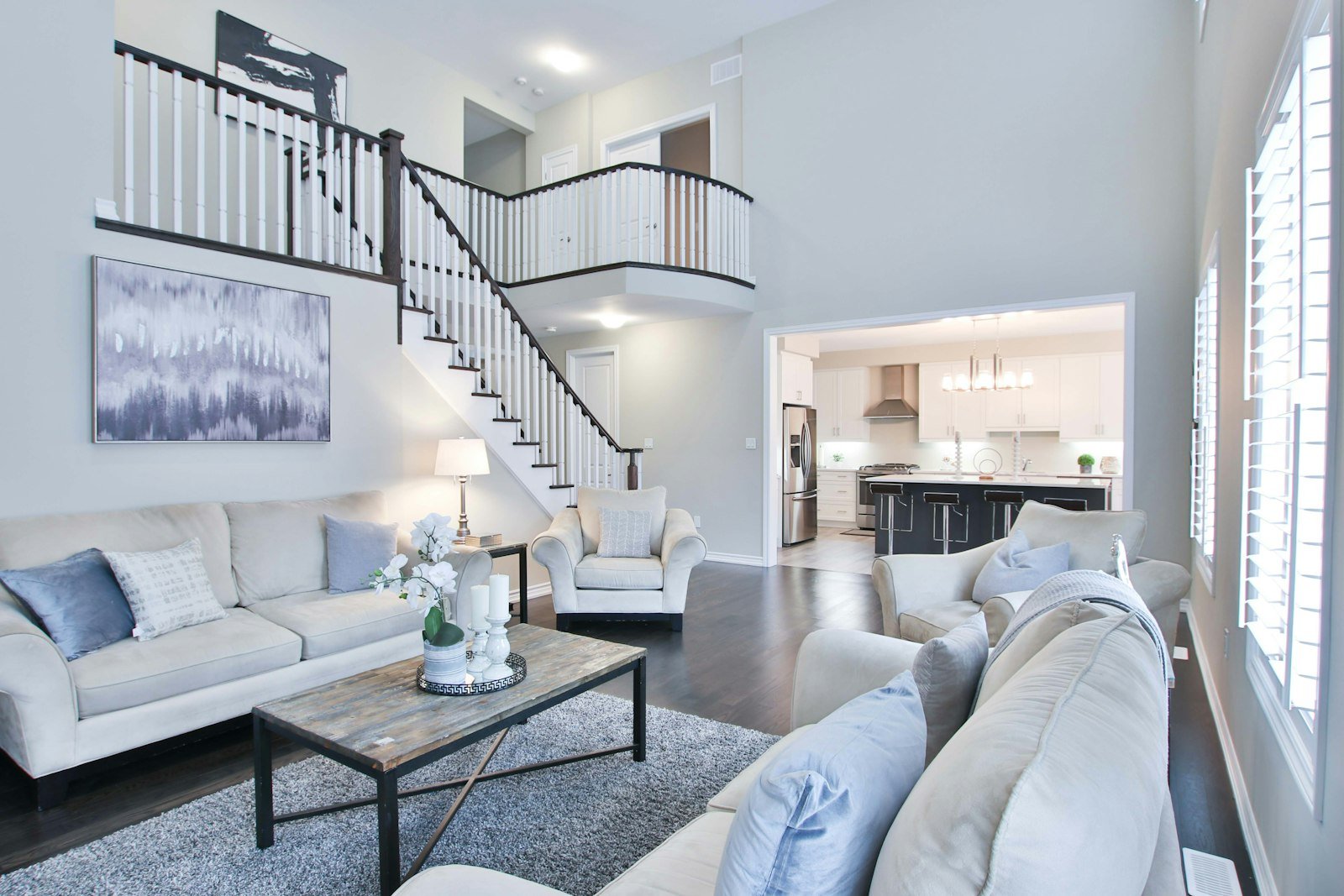
7. Dupont edge (traditional, but a little cleaner than ogee)
Dupont is similar to ogee, but usually more subtle and less ornate looking. It still reads custom, but not as “formal.”
If you want a classic edge profile without going full decorative, this is one of the better picks.
Looks best with:
- granite or quartzite in warmer tones
- raised panel or detailed shaker cabinets
- more traditional hardware choices
8. Beveled edge (crisp, reflective, slightly glam)
A bevel is a cut angle, like a small chamfer. It can be tiny or more dramatic.
Beveled edges reflect light, which can look really good in Naples kitchens with lots of glass, polished hardware, and glossy backsplash finishes.
Where it shines:
- modern transitional kitchens
- high gloss cabinets (or even just lacquered islands)
- waterfall islands where you want sharper geometry
One caution: a big bevel can scream 90s if the rest of the design leans dated. A small bevel, though, is timeless.
9. Laminated edge (for a thicker look without mitering)
A laminated edge is when the fabricator stacks strips under the edge to make it appear thicker. It’s not the same as a mitered edge visually, but it can still create a strong presence.
Sometimes it’s a budget move. Sometimes it’s just the best construction choice for a specific design.
Works best when:
- you want a 2 inch look but don’t need a waterfall
- you want a thicker edge without a big visible seam on the face
This is another one where craftsmanship matters. If the lamination line is visible, it kills the luxury feel.
If I had to summarize what I’m seeing in higher end Naples remodels lately, it’s this:
- Eased edge for clean, modern, light filled kitchens
- Mitered edge for statement islands and waterfall designs
- Ogee or Dupont for classic luxury homes that want detail
That’s the short list.
Everything else can still be beautiful, it just depends on the house and the style story you’re telling.
Matching your edge to your countertop material (this part matters)
Quartzite
Quartzite tends to look best with eased or mitered edges. It’s already dramatic. You don’t need a fancy edge fighting the veining.
Quartz
Quartz works with almost anything, but it looks most high end when you keep it clean. Eased, small bevel, and mitered edges are usually the winners.
Marble
Marble can go either way. In a modern kitchen, do eased. In a classic kitchen, ogee can look incredible. Just accept the patina, because marble will do what marble does.
Granite
Granite can still look luxury, especially in the right slab, but the edge choice matters. Half bullnose, Dupont, and small bevel are common high end pairings.
Safety, maintenance, and “real life” stuff people forget
- If you have kids or grandkids running around, a slightly softened edge like eased or half bullnose is just… nicer to live with.
- Crisp square corners chip more easily. Especially on overhangs.
- Decorative edges like ogee can collect crumbs. Not the end of the world. Just a thing.
- If you’re doing a mitered waterfall, ask about vein matching before fabrication starts. Don’t assume it’s automatic.
How to decide without overthinking it
If you want a luxury look and you don’t want to spiral, here’s a simple approach:
- Modern coastal, clean and bright: eased
- Showpiece island, big stone moment: mitered (often with waterfall)
- Classic luxury with ornate details: ogee or Dupont
- Transitional and family friendly: half bullnose
Then, take your cabinet door sample and your slab choice, and look at them in the same light. Morning light if possible. Naples light is different. It’s sharp and flattering and it will expose weird undertones fast.
A quick note if you’re remodeling in Naples
Edges are one of those choices that are easy to get wrong when everything is happening at once. Cabinets. tile. appliances. plumbing. lighting. Paint. And deadlines.
If you want someone to help you tie the design together and execute it cleanly, you can check out Kitchen Remodeling Naples FL by Cutting Edge and request an estimate here: https://kitchen-remodeling-naples-fl.com/
Sometimes having a team that’s done a lot of high end kitchens in this exact area saves you from the little mistakes that end up feeling very big later.
Wrap up
A luxury kitchen isn’t just the stone you choose. It’s how it’s finished. The edge profile is part of that finish.
If you want the safest luxury bet in Naples, go eased. If you want the biggest visual upgrade for an island, go mitered. And if your home leans classic and you want that formal, detailed feel, ogee and Dupont are still undefeated.
And yeah, it’s a small detail. But it’s also the detail your hand touches every day. That counts.
FAQs (Frequently Asked Questions)
Why does the countertop edge profile matter in Naples luxury kitchens?
In Naples, where kitchens are bright, open, coastal, and design-forward, the countertop edge profile significantly influences the kitchen’s overall vibe. It frames the stone, is touched daily, appears in photos, and distinguishes a custom kitchen from builder-grade ones. Especially in luxury homes with polished details, the edge profile enhances the high-end look.
How can I choose the right countertop edge for my kitchen style?
Consider these four questions: Is your kitchen modern or classic? Do you prefer a thin and sleek or thick and bold countertop look? Is your kitchen busy with kids and entertaining? Are you doing a waterfall island or a standard overhang? These factors guide which edge profile complements your space best.
What is an eased edge and why is it popular in Naples homes?
An eased edge features a straight line with a softly rounded corner—neither sharp nor fully rounded. It’s considered ‘quiet luxury’ because it looks clean and lets natural stone patterns shine. Naples homeowners love it for its clean appearance in abundant natural light and its honest display of slab thickness.
What makes mitered edges suitable for modern kitchens and waterfall islands?
Mitered edges join two stone pieces at a 45-degree angle to create the illusion of a thicker slab (2-4 inches). This bold, custom look works well with waterfall islands, oversized islands, and modern cabinetry with large cabinet faces. In Naples, mitered edges help large islands hold visual weight alongside stone flooring.
How does a waterfall edge impact kitchen design in luxury homes?
A waterfall edge extends the countertop material down the sides of an island to the floor, creating an architectural, furniture-like effect. It pairs well with mitered edges for boldness or eased edges for minimalism. Stone selection and expert vein matching are crucial to maintain continuity and avoid mismatched slabs.
What are the benefits of half bullnose edges for family-friendly kitchens?
Half bullnose edges have a rounded top with a straight bottom, offering a softer yet tailored look. They bridge classic and modern styles well, complementing warm cabinets and decorative backsplashes. Practically, they reduce sharp corners—making them safer for families—and hide minor chips or imperfections better than crisp square edges.