
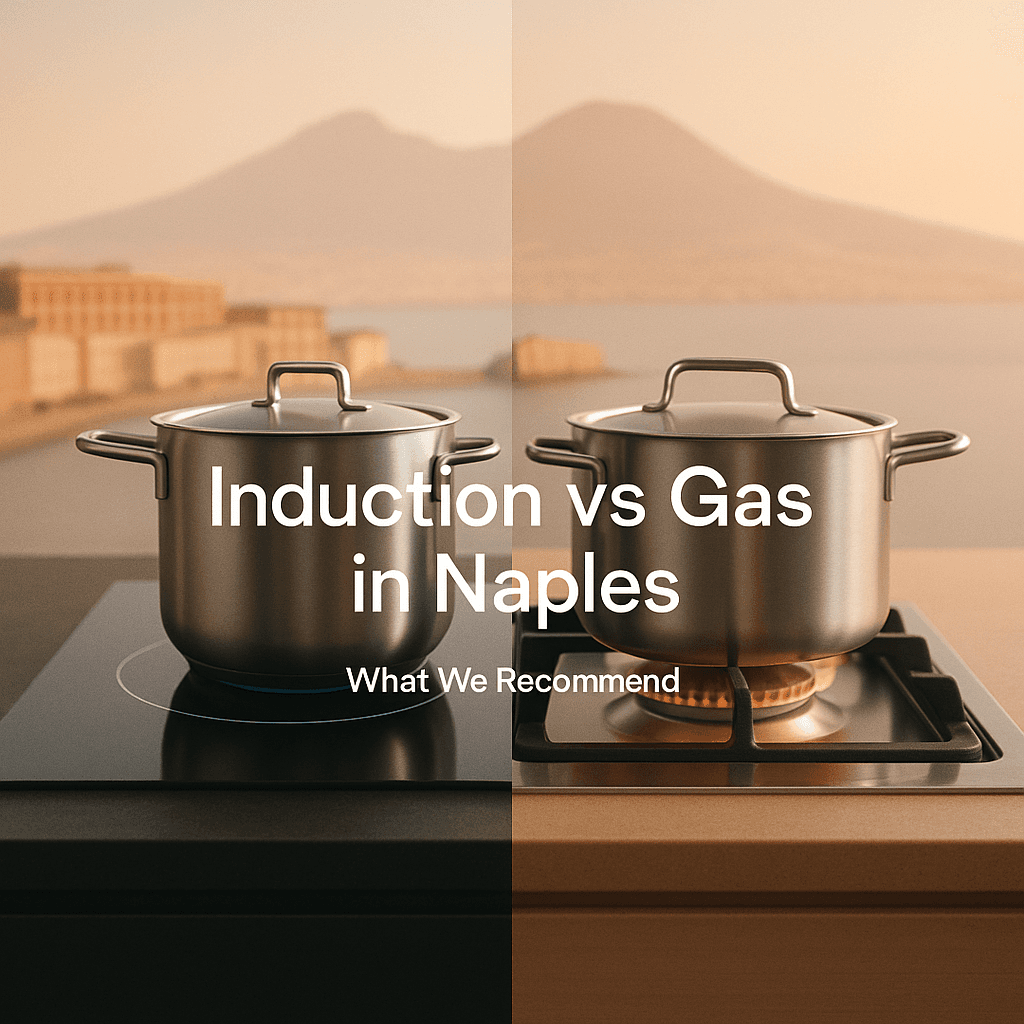
Picking a cooktop sounds simple until you actually have to live with it.
In Naples, we see this decision come up constantly during kitchen remodels. Somebody has cooked on gas for 20 years and does not want to give it up. Or somebody tried induction at a friend’s house and now they are obsessed. The allure of induction cooking is hard to resist once experienced. Or the home is on propane. Or the HOA is picky. Or the vent hood is going to be a whole thing. It gets real, fast.
So this is not a “which is best” post. It’s more like: If you live in Naples, in a real house, with real humidity, real storms, real power flickers, real entertaining, and a real budget, here is how we’d think about induction vs gas.
The quick answer (if you just want the recommendation)
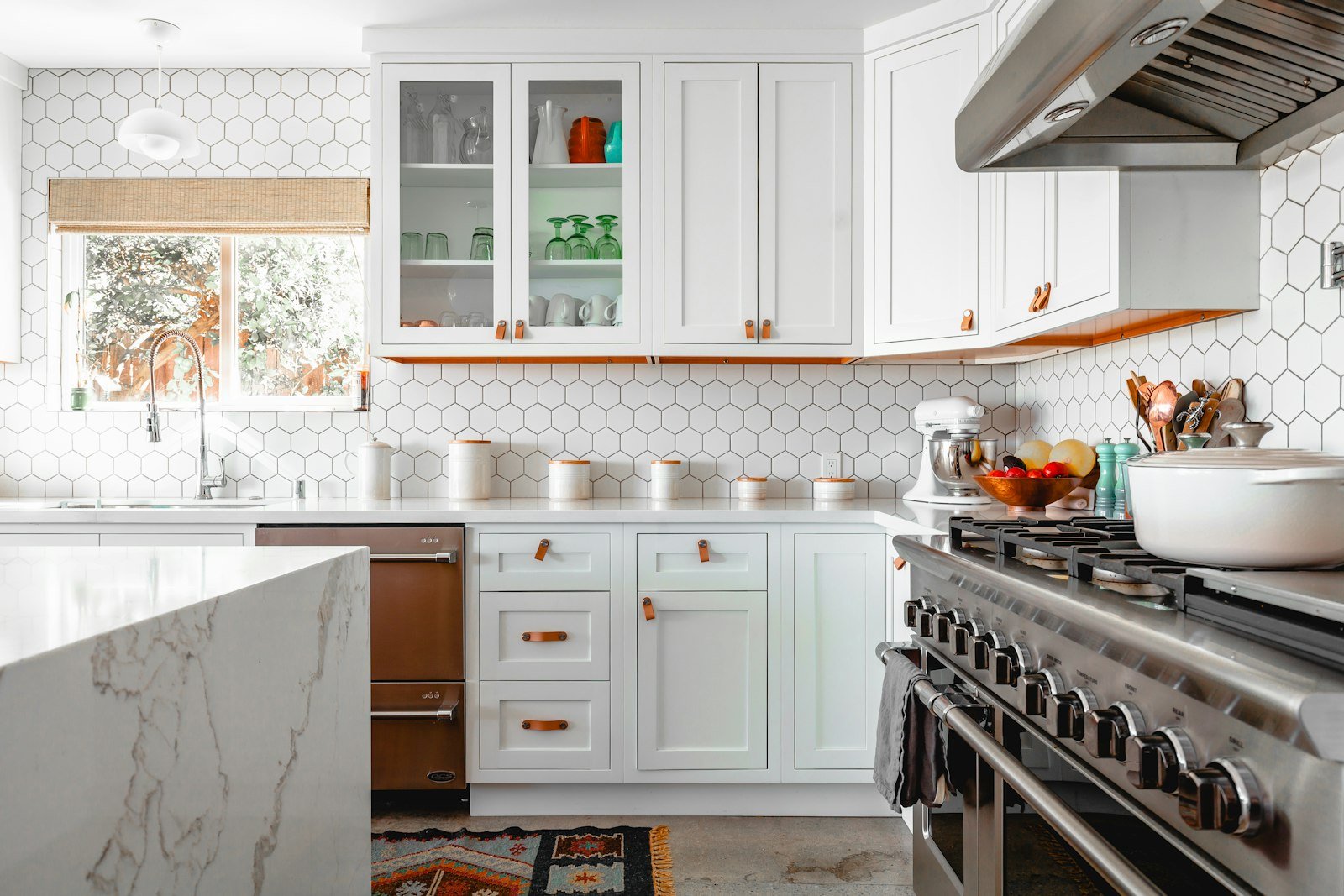
If you’re remodeling a kitchen in Naples today and you have the electrical capacity for it, we lean induction for most homeowners.
But. If you cook a lot with high heat, do wok cooking, grill indoors on cast iron, or you want cooking to still work during a power outage with a generator that isn’t huge, gas can still make sense.
And if you are on propane, we slow down and look at the numbers and the inconvenience because propane changes the “gas is easy” story.
What “Naples specific” actually means here
Naples kitchens are not generic. A few local realities tend to push the decision one way or another:
- Many homes are all electric or could be, and a lot of remodels involve upgrading panels anyway.
- Hurricane season means power reliability and generator plans matter more than people admit.
- Entertaining is a lifestyle. Open concept kitchens. People standing around the island. Cooking smells and heat are not just “your problem”.
- Second homes are common. You want something safe, clean, low maintenance, and easy for guests or house managers to use.
- High end design expectations. Clean lines, slab backsplashes, big islands, fewer visual interruptions.
Induction fits a lot of those boxes. Not all. But a lot.
Induction in real life: what homeowners love (and what surprises them)
Induction cooking is basically magnetic energy heating the pan itself. Not the air around it. Which is why it feels almost weird the first time you use it.
What people love
1. Speed, like actually fast
Boiling water is the classic demo, but day to day it’s more about control. You bump it up, it responds. You bump it down, it responds. Less waiting.
2. A cooler kitchen This matters in Naples. Induction still creates heat because the pan is hot, obviously, but the cooktop surface is not pumping out heat the way gas flames do. If your kitchen is open to the living room, this is a real quality of life upgrade.
3. Safety No open flame. Less ambient heat. And the surface cools down quicker. For families with kids, or grandkids visiting, induction starts making a lot of sense.
4. Easy cleaning Flat surface. No grates. No burner caps. If you are investing in a nice countertop and backsplash, having a cooktop you can wipe in 20 seconds is… satisfying.
What surprises people
1. You might need new cookware Not always, but often. If a magnet sticks to the bottom, you’re good. If it doesn’t, that pan is not coming with you into the induction era.
2. The humming and clicking Some models hum softly. Some pans make more noise than others. It’s not a dealbreaker, but it’s something people notice the first week.
3. Power requirements Induction can require a serious circuit. Which is fine during a remodel, but we have to plan for it.
Gas in real life: why people still choose it
Gas is familiar. It’s visual. It feels “chef”. And it does a few things really well.
The big reasons people stick with gas
1. Flame control feels intuitive You can see the heat. You can tilt a pan, flare it a little, char something fast. For some cooks, that’s the whole point.
2. Works with any cookware No compatibility questions. Your old pans, your weird pans, your heirloom stuff. All good.
3. High heat cooking If you use a wok properly, gas is still the easier path. Induction can do high heat, yes, but wok cooking is its own category. Some brands make induction wok burners, but now you’re in niche territory.
The tradeoffs that show up later
1. Venting becomes non negotiable In a lot of remodels, homeowners want a sleek hood, or they want the hood to “disappear”. With gas, we push back a little. You need real ventilation if you cook often. It affects indoor air quality and it affects comfort.
2. More heat, more humidity load Gas adds heat and combustion byproducts. In Naples, your HVAC is already working. It’s not catastrophic, but it’s another source of load.
3. Cleaning Grates. Burner parts. Grease. If you cook daily, the cleanup is just more involved.
Ventilation: the part everyone underestimates
This is where the conversation turns from “preference” to “design and construction”.
If you’re doing gas, you should plan for:
- A hood that actually moves air, not just recirculates
- A duct run that makes sense and is not full of sharp turns
- Makeup air considerations, depending on hood power and code requirements
Induction doesn’t remove the need for ventilation. You still cook food, you still create smoke and grease. But it’s usually easier to design a quieter, cleaner solution that fits a high end Naples kitchen.
Power outages, storms, and generators (Naples reality check)
Here’s the honest part.
If your power goes out and you have gas with a manual ignition, you can often still cook. If you have induction, you cannot, unless you have generator coverage that can handle it.
Now, a lot of Naples homeowners do have generators. But not all generators are sized for an induction cooktop plus the rest of the house load.
So this is one of the first questions we ask during a remodel:
Do you have a generator, and what do you want running during an outage?
Sometimes the answer is, “Honestly we leave town during storms.” Fine. Induction is easy then.
Sometimes the answer is, “We want to stay and be comfortable.” Then we talk through generator capacity, priorities, and whether gas offers peace of mind.
Cost: equipment, installation, and the hidden line items
People compare appliance prices and stop there. The real cost is the whole system.
Induction cost factors
- Upgrading electrical panel or adding capacity
- Running a new dedicated circuit
- Possibly adjusting the island design for wiring and clearances
Gas cost factors
- Running a gas line (or upgrading it)
- If propane, tank considerations and ongoing fill logistics
- Vent hood and ducting upgrades
- Sometimes make up air requirements
The punchline is. Either option can be “more expensive” depending on what the house already has and what the remodel scope includes.
So what do we recommend for most Naples kitchen remodels?
We usually recommend induction if:
- You want a clean, modern look (especially on a big island)
- You care about indoor comfort and a cooler kitchen
- You want easy cleaning and low maintenance
- You entertain and don’t want a loud hood dominating the space
- You are upgrading electrical anyway, or you already have capacity
- This is a second home and you want a safer setup for guests
We usually recommend gas if:
- You cook constantly and prefer flame for specific techniques
- You do wok cooking, frequent searing, or you just know you love gas
- You have reliable natural gas and a solid venting plan
- Your generator plan makes gas cooking during outages a priority
And yes. We have plenty of projects where the answer is a hybrid approach, like an induction cooktop plus an outdoor kitchen setup that covers the “live fire” fun. Naples is pretty perfect for that, honestly.
A simple checklist before you decide
If you want to make this decision in 10 minutes, ask yourself:
- Do I already have gas to the kitchen, or would it be a project?
- Do I have electrical capacity for induction without major upgrades?
- Do I care about indoor heat and ventilation noise?
- Do I have a generator, and do I want to cook during outages?
- Am I okay replacing some cookware?
- What type of cooking do I actually do weekly, not hypothetically?
Write the answers down. The right choice becomes obvious.
If you’re remodeling in Naples and want help planning it
Choosing induction vs gas is not just an appliance choice. It affects your electrical plan, vent hood design, cabinetry layout, island detailing, and sometimes even permitting and inspections.
If you want someone to walk through it with you and build the kitchen around the way you actually live, you can check out Kitchen Remodeling Naples FL by Cutting Edge here:
https://kitchen-remodeling-naples-fl.com/
That first conversation usually saves people from expensive mid project changes. And those changes are the ones that hurt.
Bottom line
Induction is where most high end Naples kitchens are heading because it’s fast, clean, comfortable, and it looks sharp in an open concept space.
Gas still wins for certain cooking styles and certain storm season preferences.
If you tell us how you cook, what your home is set up for, and what you want the kitchen to feel like, the recommendation gets pretty clear.
FAQs (Frequently Asked Questions)
What are the main advantages of choosing an induction cooktop for a kitchen remodel in Naples?
Induction cooktops offer several benefits ideal for Naples kitchens, including fast and precise temperature control, a cooler cooking environment which is great for the humid climate, enhanced safety with no open flames, and easy cleaning due to their flat surfaces. They also align well with high-end design trends featuring clean lines and minimal visual interruptions.
Why might some homeowners in Naples still prefer gas cooktops despite the rise of induction?
Many Naples homeowners stick with gas because of its familiar flame control which feels intuitive, compatibility with all types of cookware including heirloom pans, and superior performance for high heat cooking techniques like wok cooking or indoor grilling on cast iron. Additionally, gas can be more reliable during power outages if the generator capacity is limited.
How does living in Naples influence the choice between induction and gas cooktops?
Naples-specific factors such as frequent power flickers during hurricane season, many homes being all-electric or upgrading electrical panels during remodels, a lifestyle centered around entertaining in open-concept kitchens, common use of second homes requiring low-maintenance appliances, and high-end design expectations all impact the induction vs gas decision. Induction often fits these local needs better but gas still has valid use cases.
Are there any surprises or considerations when switching to an induction cooktop?
Yes, some surprises include needing compatible cookware—only pans that attract a magnet will work properly on induction. Also, some models produce humming or clicking sounds during operation which can be noticeable initially. Moreover, induction cooktops require significant electrical capacity and proper circuit planning during remodels.
How do propane fuel sources affect the choice between gas and induction cooktops in Naples?
If your home uses propane instead of natural gas, it complicates the typical ‘gas is easy’ narrative because propane availability and costs vary. This requires a careful evaluation of convenience and expenses before deciding on a gas cooktop fueled by propane versus switching to electric induction.
What should homeowners consider about power reliability when choosing between induction and gas cooktops in Naples?
Given Naples’ hurricane season leading to frequent power outages or flickers, homeowners should consider how their cooktop will perform during such events. Gas cooktops can operate without electricity or with smaller generators, while induction requires substantial electrical capacity. Planning for generator compatibility is important when opting for induction.