
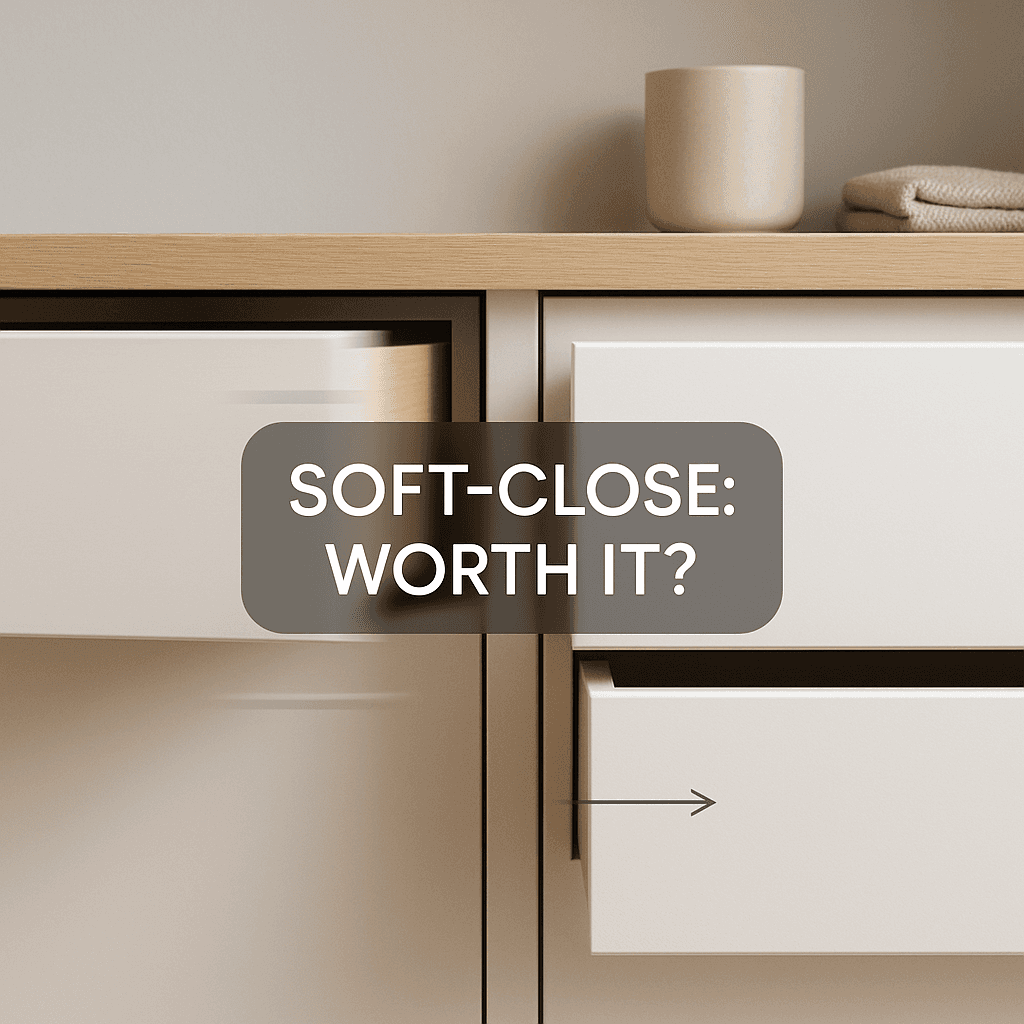
I used to think soft close cabinets were one of those things contractors upsell because it sounds fancy. Like, sure, it’s nice. But do I need it?
Then you live with a kitchen where drawers slam 40 times a day. Kids. Guests. That one friend who somehow closes every cabinet like they are mad at it. And you realize this is not really about “luxury”. It’s about daily friction. Noise. Wear. Tiny annoyances that stack up.
So let’s talk about it honestly. Soft close hinges. Soft close drawers. Soft close trash pull outs. Even soft close toilet seats, sure, but we’re staying in the kitchen today.
Is “soft close everything” actually worth it. Or is it just marketing.
What “soft close” actually means (and what it doesn’t)
Soft close is usually a damper built into the hinge or drawer slide. When you push the door or drawer shut, the damper catches it near the end and pulls it in slowly.
It does a few things:
- Stops the slam.
- Reduces impact on the cabinet box and the door/drawer front.
- Helps things stay aligned longer. Less racking, less loosening over time.
- Feels smoother. That “finished” feel.
What it does not do:
- It does not make cheap cabinets high end.
- It does not fix out of square boxes or bad installation.
- It does not stop someone from abusing the kitchen. You can still break things if you try.
Soft close is a feature. Not a miracle.
The real question: how much does slamming cost you?
This is the part nobody thinks about because cabinet damage is slow.
A slammed door isn’t just noise. Over time it can mean:
- Hinges loosening in the face frame or side panel
- Screws backing out
- Doors shifting and rubbing
- Finish chipping around edges
- Drawer fronts getting slightly out of plane
- That “rattle” when you close a drawer and everything inside vibrates
And then at some point, you are adjusting doors every few months. Or calling someone out. Or living with it because it’s annoying but not annoying enough to fix. Which is basically the story of homeownership.
Soft close reduces that wear. It’s not dramatic. It’s just… less damage. Quietly. For years.
Soft-close drawers vs soft-close doors (not the same value)
If you’re debating where to spend, start here.
Soft-close drawers are the bigger upgrade
Drawers get used constantly. They also carry weight. Pots, stacks of plates, the junk drawer that is somehow 30 pounds. A soft close drawer slide is doing real work every single day.
Also, drawers are where the slam is loudest. The box hits the back. The utensils jump. It echoes.
If you do soft close on drawers only, you’ll still feel like you upgraded your kitchen.
Soft-close doors are nice, but slightly less critical
Doors get opened and shut, sure. But they’re lighter, and modern hinges are already pretty controlled. Soft close hinges are still great, especially for tall pantry doors or doors that get yanked. But if you’re picking and choosing, drawers first.
Is it just marketing? Sometimes, yes
Here’s the honest part.
Some remodelers say “soft close” because it’s an easy bullet point. But they don’t tell you:
- Which brand of hinge/slide they’re using
- Whether it’s integrated soft close or add on dampers
- If it’s rated for the weight of your drawers
- If the cabinet boxes are strong enough to hold up long term
In other words, “soft close” can be slapped on as a label. Same way “quartz” can mean 2cm with a buildup edge, or real 3cm. Details matter.
If you’re doing a kitchen remodel in Naples, FL and you want this to actually feel high end, the soft close hardware should match the rest of the build. Cabinet construction. Installation quality. Drawer sizing. Even the pulls you choose, because yes, people yank pulls differently.
A good contractor will talk about hardware like it’s part of the system, not a checkbox.
What to look for (so you don’t get the cheap version)
If you’re in the planning phase, ask your remodeler some boring questions. Boring is good. Boring saves you money.
1. Brand and hardware line
You’ll hear names like Blum, Salice, Grass, Hettich. They all have tiers. Don’t just accept “European hinges” as an answer.
2. Full extension drawer slides
Soft close is great, but full extension matters too. Especially in deep base cabinets. You want to actually reach the back without digging like you’re on an archeological site.
3. Weight rating
A wide drawer with dishes needs stronger slides than a 12 inch spice drawer. You don’t want drawers that start sagging in year two.
4. Adjustability
Good hinges and slides allow fine tuning. Doors can be aligned perfectly, and re aligned later if the house settles a bit.
5. Real installation, not “close enough”
Soft close hardware works best when everything is square and mounted correctly. If the cabinet boxes are out, doors can bounce or not close fully. People blame the hinge, but it’s often the install.
“Soft close everything” in a real kitchen: what’s worth it?
Let’s break it down. If you’re trying to decide where to spend, here’s a practical list.
Usually worth it
- All drawers (base, upper, pantry, islands)
- Trash pull out (this gets slammed constantly)
- Big pantry doors (tall doors love to slam and rack)
- Corner solutions (LeMans, pullouts, anything mechanical)
Nice but optional
- Upper cabinet doors (still good, just less crucial)
- Appliance garage doors (depends on style and use)
- Floating shelves with lift up doors (if you’re doing that modern look)
Overkill sometimes
- Soft close on tiny single use doors you barely touch, like a false panel adjacent to the range. If it’s decorative, you don’t need premium hardware there.
The point is, you can be strategic and still say your kitchen has soft close everywhere that matters.
What it costs, realistically
Pricing varies a lot based on cabinet line and hardware choice. But here’s the feel of it.
- Upgrading hinges and slides to soft close is often a modest add on in the context of a full kitchen remodel.
- It’s more noticeable than some expensive upgrades people choose, like a slightly fancier faucet finish.
- The cost is also easier to justify because it affects daily use, not just aesthetics.
If you’re already investing in custom cabinetry or semi custom cabinets, it’s usually a “do it now” decision. Retrofitting later is possible, but it’s annoying. And sometimes not clean. You might need new slides, new drawer boxes, drilling, adjustments. It’s not always plug and play.
Naples, FL reality check: why it matters more than people think
Naples kitchens often lean high end. Entertaining. Guests. Open concept layouts. And when your kitchen opens into your living room, cabinet slams carry.
Soft close is partly about comfort. Not waking people up. Not hearing a constant clack clack during dinner parties.
Also, many Naples homes are second homes or seasonal. When a house sits, then suddenly gets heavy use, hardware gets tested. Good hinges and slides handle that better. They stay aligned. They don’t loosen as quickly.
The one downside nobody mentions
Soft close changes behavior. Seriously.
You get used to not pushing things fully shut. You kind of nudge it, and it finishes the job. That’s great.
But if the soft close mechanism ever wears out years later, you will immediately notice. Things will start feeling “cheap” again, even if nothing is broken, it’s just the damper aging.
So yes, it’s a quality of life upgrade. And like any quality of life upgrade, you get spoiled.
How to bring this up with your remodeler (without sounding picky)
You can literally say:
“I want soft close, but I also want it done with good hardware and installed correctly. Can you tell me what hinge and slide system you use and what the drawer weight ratings are?”
If the answer is fuzzy, that’s information.
If you’re working with a kitchen remodeling team that actually builds and installs at a high level, they’ll have a clear answer. And probably opinions. The good kind.
If you’re in Naples and you’re already comparing bids, this is one of those small questions that reveals a lot about craftsmanship.
A few images to visualize what we’re talking about
Soft-close hinge close-up
Soft-close drawer in a modern kitchen
High-end kitchen cabinetry where details matter
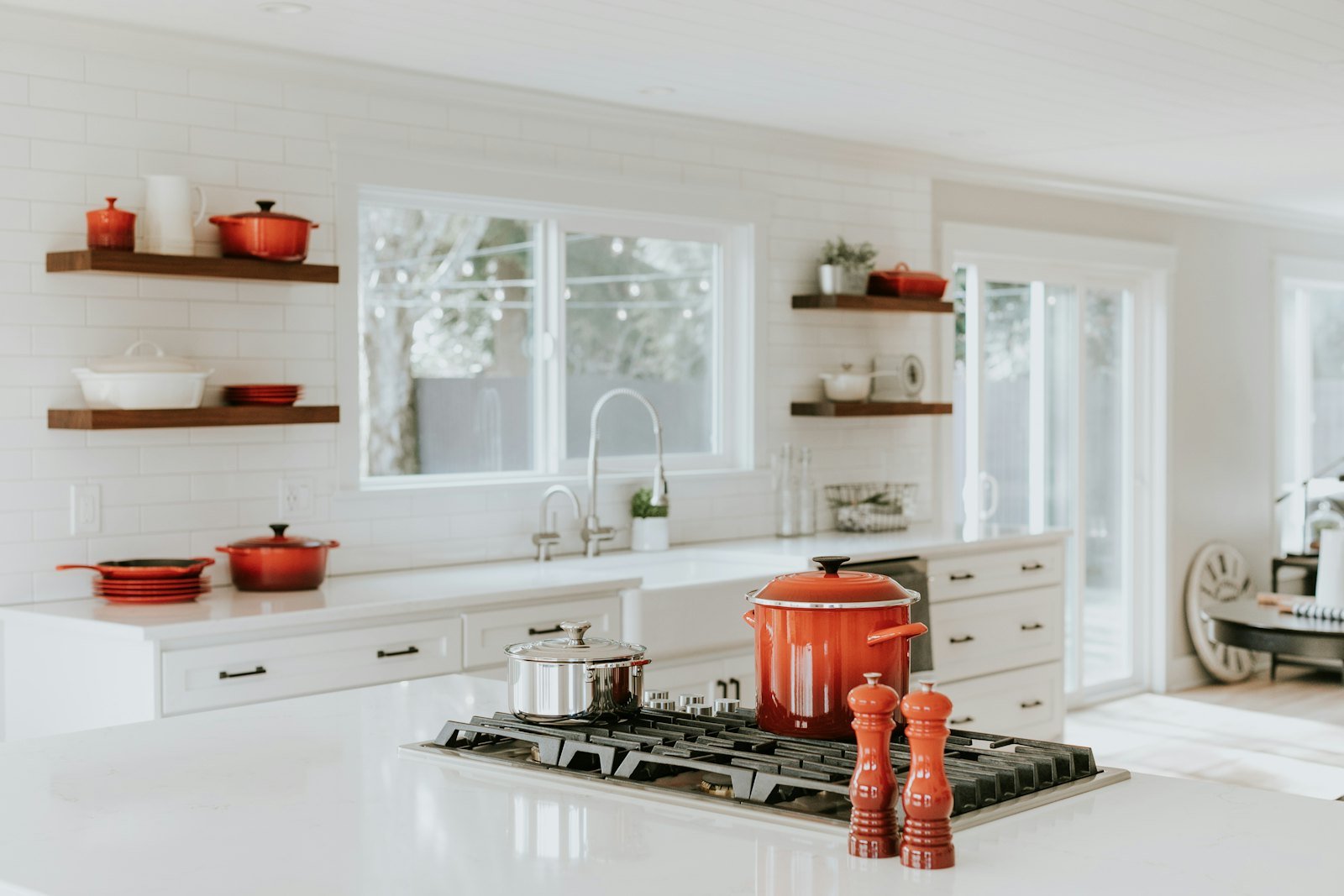
(If you want, swap these with your own project photos later. Real local photos convert better. Always.)
So, worth it or marketing?
Worth it. Mostly.
Soft close is one of those upgrades that feels small until you live with it, then it becomes the standard. It reduces wear, it lowers noise, it makes the kitchen feel calmer. And if you are already spending real money on cabinetry and installation, skipping it can feel strange later.
But. It can be marketing when it’s used to distract from lower quality cabinet construction or rushed installs. The hardware is only as good as the cabinet and the person installing it.
If you’re planning a remodel and want to talk through cabinet options, hardware tiers, and where it makes sense to upgrade versus save, you can check out Kitchen Remodeling Naples FL by Cutting Edge here: https://kitchen-remodeling-naples-fl.com/ and request a consultation. Even just having that conversation early can save you from the classic remodel regret stuff.
Because yeah. Soft close is nice. But a kitchen that’s built right, that’s the real luxury.
FAQs (Frequently Asked Questions)
What does “soft close” mean for cabinets and drawers?
Soft close refers to a damper mechanism built into cabinet hinges or drawer slides that catches the door or drawer near the end of closing and pulls it in slowly. This feature stops slamming, reduces impact on cabinet components, helps maintain alignment longer, and provides a smoother, more finished feel.
Is soft close just a luxury feature or does it have practical benefits?
Soft close is more than a luxury; it’s about reducing daily friction, noise, wear, and tiny annoyances caused by slamming doors and drawers. Over time, slamming can loosen hinges, cause screws to back out, shift doors, chip finishes, and create rattles. Soft close quietly minimizes this wear and tear for years.
Should I prioritize soft-close drawers or soft-close doors in my kitchen remodel?
Soft-close drawers are generally the bigger upgrade because they are used constantly and bear significant weight. They prevent loud slams and reduce internal vibrations. Soft-close doors are nice but less critical since modern hinges already offer controlled closing. If choosing, invest in soft-close hardware for drawers first.
Can “soft close” hardware vary in quality and effectiveness?
Yes, “soft close” can sometimes be just marketing if the brand, type of damper (integrated vs. add-on), weight rating, cabinet strength, and installation quality aren’t up to par. High-end brands like Blum or Grass offer reliable options. The hardware should be part of an integrated system matching cabinet construction and installation quality to truly feel premium.
What should I ask my remodeler to ensure I get good quality soft-close hardware?
Ask about the specific brand and hardware line (e.g., Blum, Salice), whether the drawer slides are full extension for easy access, the weight rating suitable for your drawer contents, adjustability features for perfect alignment now and later, and confirm that installation will be precise with square cabinet boxes to ensure optimal soft-close performance.
Does soft close fix problems caused by poor cabinet installation or cheap cabinets?
No, soft close is a feature that improves closing experience but does not fix issues like out-of-square cabinet boxes or bad installation. It also doesn’t make cheap cabinets high-end or prevent damage from misuse. Proper cabinet construction and professional installation remain essential for lasting quality.