
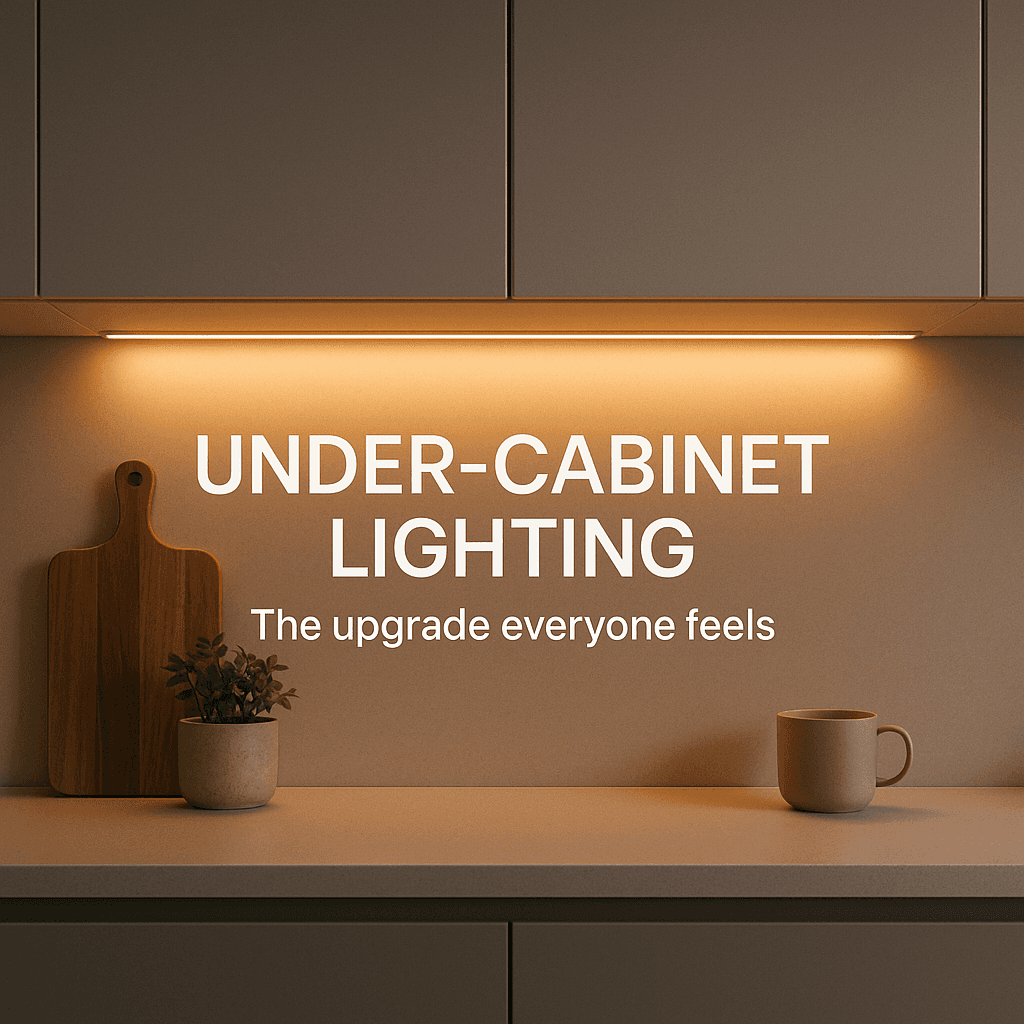
There are kitchen upgrades that look impressive on day one. A big waterfall island. A pro range that makes you feel like you should start buying copper pans.
And then there are upgrades you feel, constantly, in small moments.
Under-cabinet lighting is one of those.
It’s not flashy. It’s not the kind of thing your neighbor brags about at a barbecue. But once you have it, you stop squinting at the cutting board. You stop casting your own shadow over the counter while you’re trying to chop. You stop relying on one harsh ceiling light that turns your kitchen into an interrogation room at 9 pm.
This is why under-cabinet lighting is one of my favorite “quiet” kitchen improvements. It changes the whole mood and the way you use the space, without changing your layout at all.
And in places like Naples, Florida where kitchens are basically the main stage for real life, it’s a bigger deal than people expect.

Why under-cabinet lighting works so well (it’s not just aesthetics)
Most kitchens rely on recessed ceiling lights, pendants, maybe a big fixture. That’s “ambient” lighting. It fills the room.
But the problem is simple. When you stand at the counter, your body blocks the light. So the exact spot you need lit is the spot that goes dim.
Under-cabinet lighting fixes that by putting light right where the work happens.
You get:
- Better visibility for cooking and prep
- Less eye strain, especially at night
- A warmer feel when you don’t want all the overhead lights on
- A kitchen that looks finished, like it was actually designed (because it was)
And yeah, it makes your backsplash and counters look more expensive too. Even if you didn’t change them.
The effectiveness of under-cabinet lighting also extends to its versatility in LED light color temperature, allowing homeowners to choose a hue that best suits their kitchen’s ambiance and functionality.
The “everyone feels it” part is real
Here’s what I hear most from homeowners after it’s installed.
They say things like:
“I didn’t realize how dark it was before.”
Or.
“I don’t even turn on the recessed lights anymore unless I’m cleaning.”
Or the best one.
“This just feels… calm.”
That’s the thing. Under-cabinet lighting doesn’t just add light. It changes the vibe of the whole kitchen in the evening. If your kitchen opens into a living room, it also makes that whole area feel softer and more lived in.
And if you entertain. It’s basically instant ambience, without candles, without fuss.
Types of under-cabinet lighting (and what’s actually worth installing)
There are a few common options. They all “work” in the sense that they produce light. But they do not all feel the same once you live with them.
1) LED tape (the cleanest look, usually the best choice)
This is what most higher-end kitchen remodels use now. LED tape, sometimes called LED strip lighting, is installed inside a slim channel under the cabinet. It creates a smooth, continuous line of light across the counter.
It’s modern, minimal, and it disappears until it turns on.
Best for: a polished, high-end look. Especially with a nice backsplash.
2) LED puck lights (more “spots” of light)
Pucks are little round fixtures. They can look great, but you’ll often see pools of light with darker gaps between them, depending on spacing.
Best for: smaller budgets, or certain cabinet layouts where tape is awkward.
3) Linear bar fixtures (a middle ground)
These are rigid fixtures that mount under the cabinet. They’re easier to install than tape, and can still look good, but they’re more visible.
Best for: simple installs, utility-first kitchens, or when you want a straightforward fixture.
4) Battery-powered stick-on lights (please don’t)
I get it. Amazon makes it tempting. They look easy.
But they’re usually dim, they look temporary, and you’ll be changing batteries constantly. Fine for a closet. Not for a kitchen you’re proud of.
Color temperature: this is where most people mess up
If you do nothing else, get this part right.
Light has “temperature,” measured in Kelvin (K). It changes whether the light looks warm, neutral, or blue.
- 2700K: warm, cozy, more “lamp-like”
- 3000K: warm-neutral, a very safe choice for kitchens
- 3500K: neutral, can feel a little clinical depending on finishes
- 4000K and above: cool/blue, rarely flattering in a home kitchen
Most Naples homes I’ve seen look best with 2700K to 3000K, especially if you have warm-toned floors, creamy cabinets, brass hardware, or natural stone.
If your kitchen is super modern. White cabinets, cool quartz, lots of chrome. Then 3000K can still work, sometimes 3500K, but I’d be careful.
You want your kitchen to look good at 7 pm. Not just at noon.
Brightness matters, but dimming matters more
Homeowners often ask, “How bright should it be?”
A simple answer. Bright enough to prep safely. Soft enough that you actually enjoy it at night.
So yes, you want enough output. But what you really want is dimming.
A dimmer lets you go from functional task lighting to low, glowy “evening kitchen” lighting in one move. And once you have that, you’ll use it every day.
If you’re already doing a remodel, it’s the right time to wire this properly and tie it into a switch and dimmer that makes sense.
Hardwired vs plug-in: what to choose (especially in a remodel)
Plug-in
Plug-in systems run to an outlet, usually inside a cabinet. They can be fine. But you might see cords. You might lose cabinet space. And it can feel like an add-on.
Hardwired
Hardwired lighting is cleaner. No visible cords. Everything is integrated. This is generally the best route during a kitchen remodel because walls are open, access is easier, and the end result looks intentional.
If you’re already investing in a high-end kitchen, hardwired under-cabinet lighting is one of those “don’t cheap out at the finish line” items.
Little design details that make it look expensive
Here’s what separates “nice lighting” from “wow, this kitchen is finished.”
Use an aluminum channel with a diffuser
For LED tape, a channel helps with heat management and makes the install straighter and cleaner. The diffuser smooths the light and reduces the look of individual LED dots.
Keep the lighting line consistent
Gaps and breaks can look messy. A good plan keeps the light run continuous where possible, especially across long counter stretches.
Hide the driver (power supply) properly
Drivers should be accessible, but not visible. This is usually handled inside a cabinet, above the fridge, or in a utility space depending on layout.
Match the lighting vibe to the whole lighting plan
Under-cabinet lighting should not fight your recessed lights and pendants. Ideally, everything works together, same general warmth, same feel.
It also helps your countertops and backsplash look better (seriously)
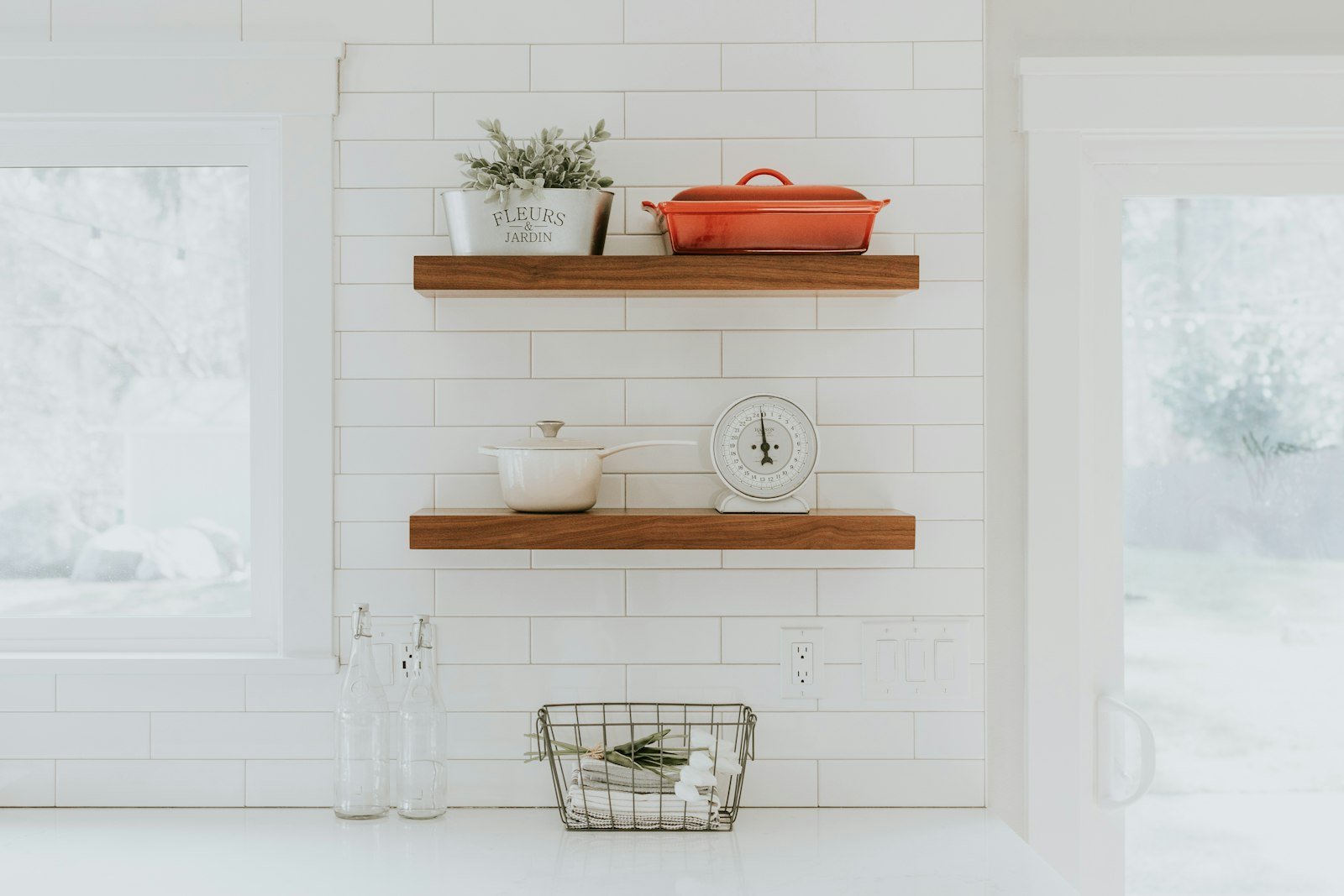
Stone and tile finishes have depth. Veining. Texture. Under-cabinet lighting brings that out.
If you’re doing a beautiful backsplash, this lighting is basically the thing that shows it off. Otherwise, you mostly see it in flat overhead light.
This is especially true for:
- Quartz with subtle movement
- Marble or marble-look porcelain
- Zellige tile or handmade tile
- Any backsplash with texture or gloss
It’s like the difference between a room with good natural light and a room with one ceiling bulb. Same finishes. Totally different experience.
“Is it worth it if I’m not doing a full remodel?”
Often, yes.
Under-cabinet lighting can be installed as a standalone upgrade. But the cost and complexity depend on your kitchen.
If you have:
- No nearby power
- No easy path to run wiring
- Older electrical or limited panel capacity
Then it can turn into a bigger job.
That’s why many homeowners bundle it into a kitchen renovation. It’s efficient. It’s cleaner. And you’re already making decisions about finishes and lighting anyway, so you can choose the right temperature and dimming from the start.
Quick real-world scenarios (where under-cabinet lighting changes everything)
The “night kitchen” moment
You walk in for water, or to grab something, and you don’t want the whole house lit up. Under-cabinet lighting is perfect for that low glow.
The “I cook a lot” kitchen
If you actually use your counters for prep, this is task lighting that makes cooking easier. Not a decor feature. A functional one.
The “open concept” kitchen
The kitchen is visible from the living room. Under-cabinet lighting keeps the kitchen looking warm and put together at night, without screaming “kitchen lights are on.”
If you’re remodeling in Naples, this is one of those upgrades to plan early
The best under-cabinet lighting installs are planned, not patched in at the end. Because you want to think about:
- Where switches go
- Whether you want one zone or multiple zones
- Dimmer placement
- Driver locations
- Matching color temperature with the rest of the lighting
- Cabinet construction and underside details
If you’re already talking to a remodeling team, bring this up early. It affects electrical, cabinetry, and sometimes the backsplash timing too.
If you’re in the Naples area and you’re planning a kitchen renovation, Kitchen Remodeling Naples FL by Cutting Edge is a good place to start for design plus execution. You can see their remodeling approach and request a consultation here:
https://kitchen-remodeling-naples-fl.com/
Common mistakes to avoid (so it doesn’t look like an afterthought)
- Choosing 4000K lighting because it looks “bright” in the store
- Skipping the dimmer
- Using cheap strips with visible dots and uneven output
- Leaving cords visible
- Not lighting dark corners or broken cabinet runs
- Mixing warm under-cabinet light with cool recessed lights
This is one of those areas where a little planning makes the result look ten times better.
Wrap up
Under-cabinet lighting is a small upgrade that changes the daily experience of your kitchen. Not just how it photographs, but how it feels when you’re standing there making coffee, cooking dinner, or just wandering in late at night.
It’s practical. It’s mood. It’s the kind of “finished” detail that makes a kitchen feel intentionally designed.
If you’re already remodeling, it’s a no-brainer. And if you’re not, it still might be the best bang-for-your-buck improvement you can make.
FAQs (Frequently Asked Questions)
What are the benefits of installing under-cabinet lighting in a kitchen?
Under-cabinet lighting improves visibility for cooking and prep, reduces eye strain especially at night, creates a warmer and more inviting ambiance, prevents casting shadows on work surfaces, and enhances the overall finished look of the kitchen without changing its layout.
How does under-cabinet lighting differ from traditional kitchen ambient lighting?
Traditional ambient lighting like recessed ceiling lights or pendants fills the room but can be blocked by your body when working at the counter. Under-cabinet lighting places light directly where you need it most—on the countertop—eliminating shadows and providing focused illumination for tasks.
What types of under-cabinet lighting options are available and which are recommended?
Common types include LED tape (strip lighting) which offers a clean, continuous line of light ideal for high-end looks; LED puck lights that create spots of light suitable for smaller budgets; linear bar fixtures that are easy to install but more visible; and battery-powered stick-on lights which are generally not recommended due to dimness and inconvenience.
How important is color temperature in under-cabinet lighting, and what should I choose?
Color temperature greatly affects kitchen ambiance. Warm tones (2700K-3000K) are best for most Naples-style kitchens with warm floors and cabinetry, creating a cozy feel. Neutral (3500K) or cool (4000K+) tones can appear clinical or harsh. Choosing the right kelvin ensures your kitchen looks inviting both day and night.
Can under-cabinet lighting help create ambiance in an open-concept kitchen-living space?
Yes! Under-cabinet lighting softens the evening mood, making the kitchen and adjoining living areas feel calmer and more lived-in. It provides instant ambience without needing candles or complicated setups, enhancing entertaining experiences effortlessly.
What should I consider regarding brightness and dimming features when choosing under-cabinet lights?
Brightness should be sufficient for safe food preparation but soft enough to enjoy at night. Dimming capability is crucial as it allows you to adjust light levels based on activity or time of day, enhancing comfort and functionality in your kitchen space.