

Building Permits in Collier & Lee
A Naples Remodeler's Guide
Across Collier and Lee counties, a building permit is required for most remodels that alter the structure, the plumbing, electrical or mechanical systems, the windows and doors, or the roof. Cosmetic updates such as paint or new flooring typically don't need one, although every building department sets its own threshold. The issuing office depends on where the home is: Collier County, the City of Naples, Lee County, the City of Bonita Springs or another city. The permit is usually pulled by a licensed contractor, and flood-zone homes must also satisfy the FEMA 50 percent rule.
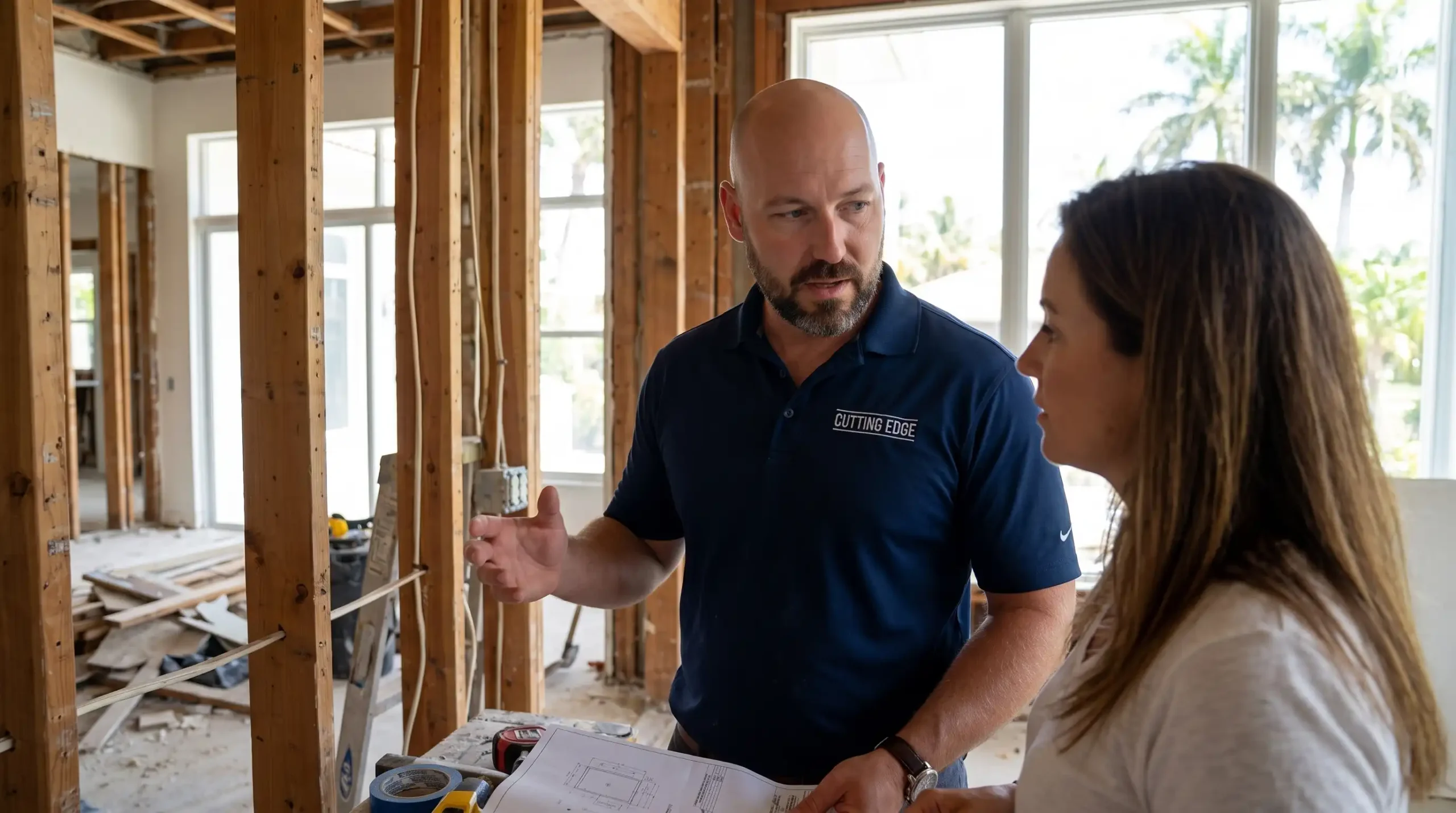
Which Remodels Need a Permit?
As a rule of thumb, if the work touches the structure or the building's systems, it needs a permit. That covers taking out or changing walls, adding or moving plumbing fixtures, new circuits or electrical panels, replacing HVAC, swapping windows and doors, re-roofing, additions, screen enclosures and converting a garage. Strictly cosmetic jobs, like painting, new carpet or replacing a faucet in the same spot, are often exempt. Each building department decides where that line falls, though, so confirm with the office that covers your address or ask your contractor.
Start by figuring out which office has jurisdiction. In Collier County, the City of Naples runs its own building department, and unincorporated areas are handled by Collier County. Up the road in Lee County, the county's building department covers unincorporated land, while the City of Bonita Springs and several other municipalities operate their own. How long it takes depends on the scope and how busy the office is: basic trade permits can be quick, but additions and structural changes require drawings, plan review and occasionally revisions. Inspections are done in phases, and the permit is closed only once the final inspection passes. Because an open or expired permit can get in the way when you sell, closing it out is just as important as getting it issued.
| Project | Permit usually needed? | Notes |
|---|---|---|
| Paint, flooring, like-for-like cabinet replacement | Usually no | Condo associations may still need to approve |
| Kitchen or bath remodel that changes plumbing or electrical | Yes | A trade permit for each system |
| Removing or relocating walls | Yes | Engineered drawings may be needed for structural walls |
| Replacing windows and doors | Yes | Products must carry Florida product approval |
| Re-roofing | Yes | Has to meet current wind-load rules |
| Additions and garage conversions | Yes | Plans, flood elevation review and often engineering |
| HVAC replacement | Yes | Mechanical permit |
Learn how our general contracting team handles permits, engineering and every trade under a single contract.
How Does the FEMA 50 Percent Rule Work?
The substantial improvement rule kicks in when your home is in a FEMA special flood hazard area and its lowest floor sits below the required flood elevation. If improvements or repairs cost 50 percent or more of the structure's market value, excluding the land, the entire building has to meet current flood rules, and that can mean raising it. Each local jurisdiction sets how value is figured and whether improvements are totaled across a look-back period, which is why one project might be handled differently in Collier County, Naples, Lee County or Bonita Springs.
This is a real issue for older coastal homes, particularly after hurricane repairs. Before you start a big remodel, find out your flood zone, pull your elevation certificate and know the structure's assessed or appraised value. On the question of who pulls the permit: normally a licensed contractor does, and that contractor takes responsibility for the work. Florida does let you get an owner-builder permit for your own home, but you then take on the contractor's legal responsibilities yourself. For condos, the association must approve the project before the permit application is submitted.

Building Permits in Collier & Lee Before &



Permit Questions
Do I need a permit for a bathroom remodel in Collier or Lee County?
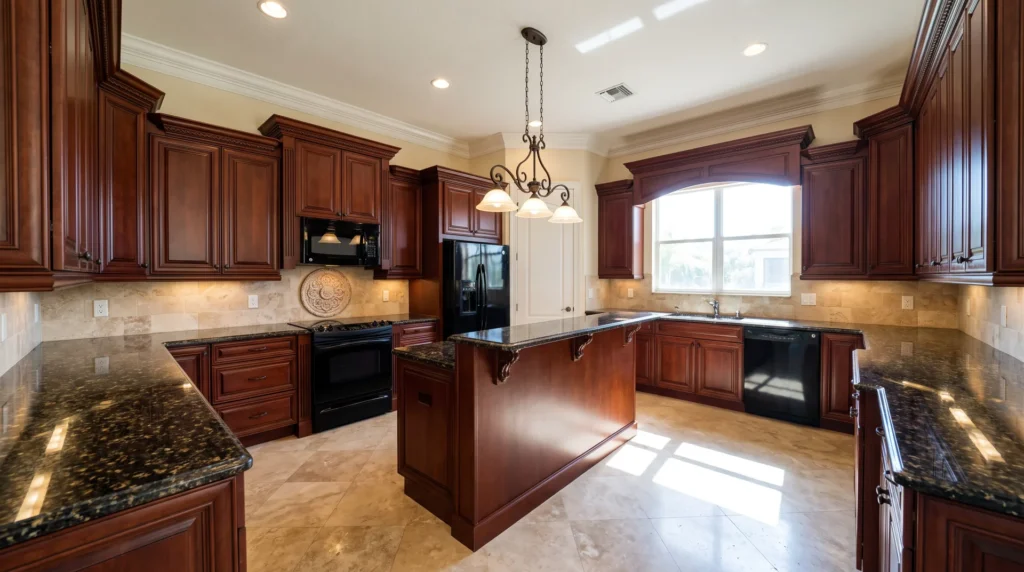
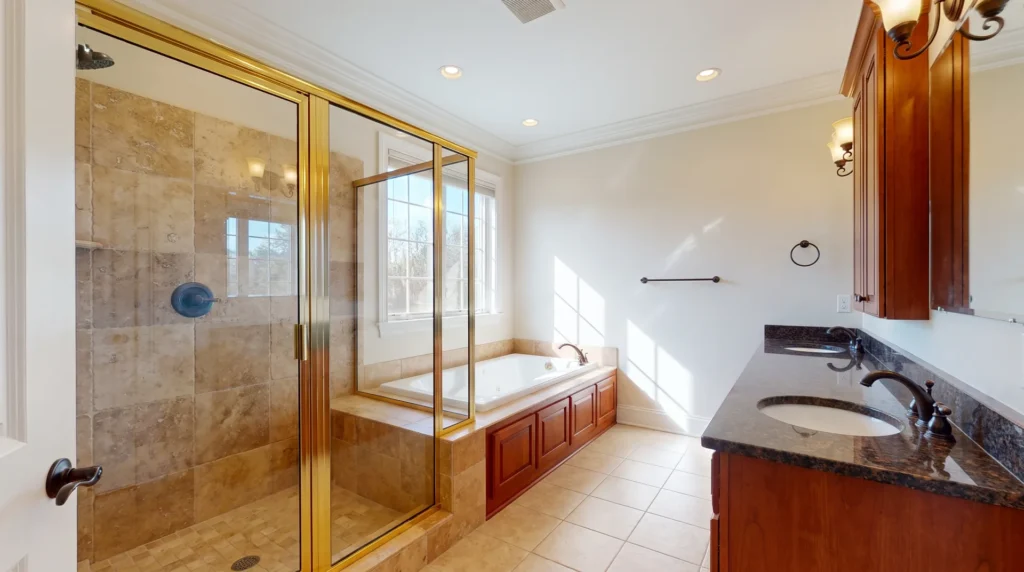
Yes, if the job relocates or adds plumbing, adds circuits, alters walls or replaces a window. A cosmetic update that leaves everything where it is generally does not. Inside a city such as Naples or Bonita Springs, that city's building department makes the rules instead of the county.
How long does it take to get a building permit in Collier County?
That comes down to the project and how busy the office is. Straightforward trade permits can be issued fast, but additions, structural work and flood-zone jobs go through plan review and may take weeks or more. Submitting complete, accurate drawings on the first try is the surest way to avoid delays.
Should I pull the permit myself, or should my contractor?
Nearly always your contractor. A licensed contractor who pulls the permit takes on responsibility for code compliance and inspections. With an owner-builder permit, that legal responsibility shifts to you, and you are generally expected to live in the home and not sell or rent it shortly afterward.
Tell us what you'd like to change, and we'll map out the permits, scan the space and quote a single fixed price.
More in General Contractor
Why Permits Are Easier With Cutting Edge
Remodels often stall at the permit stage, and a skipped inspection or an unpermitted wall can come back during a sale or an insurance claim. Cutting Edge Kitchen & Bath is a Florida-licensed general contractor serving Naples and Marco Island, and on every project we build we prepare the drawings, pull the permits and book each inspection. We have completed more than 500 Southwest Florida projects, won nine Best of Houzz awards and deal with the Collier County, Lee County and Bonita Springs offices as a matter of routine. Each job begins with a free LiDAR scan and 3D render and is built by our own crews under one fixed-price contract.