
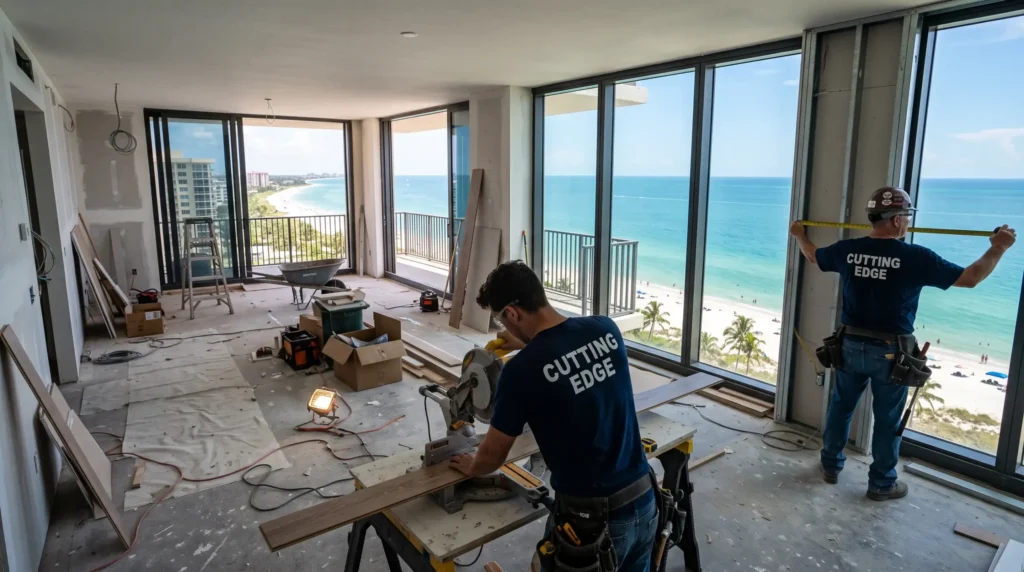
Condo Soundproof Flooring
Getting Through HOA Approval
In a condo, soundproof flooring means laying wood, tile or luxury vinyl on top of an acoustic underlayment that cuts the voices and footsteps heard in the unit below. Associations rate this with STC for airborne sound and IIC for impact noise, and most require the floor assembly to hit a minimum. Before you buy anything, get the association's requirement in writing, pick an underlayment that was tested in a comparable assembly, and send the spec in for approval.
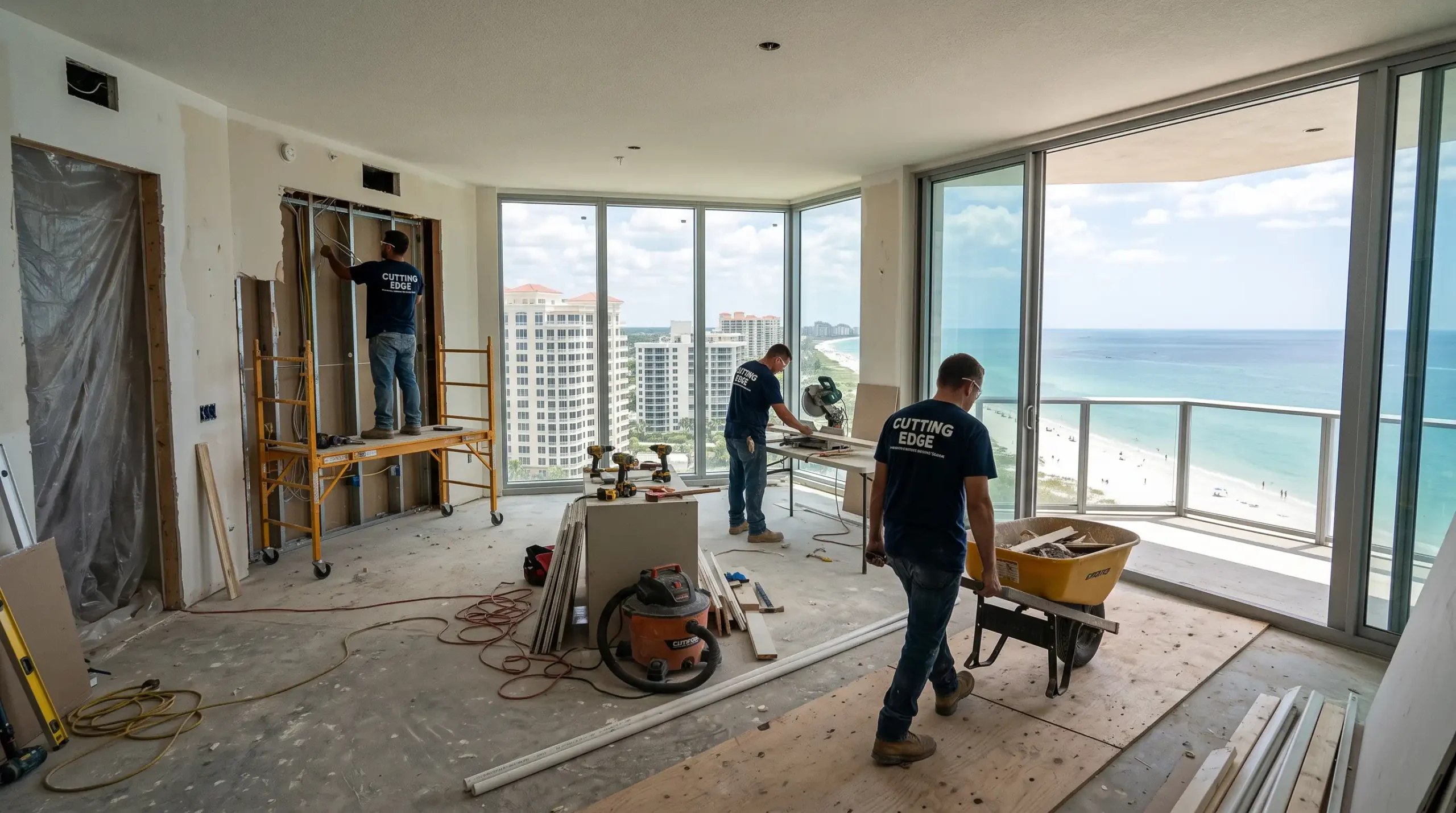
How Do Underlayments and Sound Ratings Work?
IIC stands for Impact Insulation Class and rates how well a floor-ceiling assembly stops impact noise like chairs, footsteps and things being dropped. STC, or Sound Transmission Class, rates airborne sound such as television and conversation. For both, a higher number is better. Code sets a minimum for floors between units, and plenty of associations ask for more than that. A rating may come from a lab test or a field test done inside the real building, and field numbers tend to be lower, which means a product that just clears the bar in the lab might not pass in your unit.
Most of the work is done by the underlayment. Products made of cork, rubber, foam and felt, in various thicknesses, go between the slab and the finished floor, and certain tile jobs use a crack-isolation membrane that also has acoustic value. Porcelain tile and other hard surfaces need an underlayment rated for tile so neither the grout nor the tile cracks. Engineered wood and LVP usually go over thinner pads, and some LVP has acoustic backing already attached. Isolating the perimeter counts too: leaving a gap or an acoustic strip at cabinets and walls stops the floor from passing vibration into the building.
| Rating or product | What it measures or does | Notes |
|---|---|---|
| IIC | Impact noise like footsteps | Most associations require a minimum IIC |
| STC | Airborne noise like voices | Usually listed with IIC |
| Lab vs field rating | Lab-tested or measured on site in the building | Field numbers usually come in lower |
| Rubber underlayment | Dense mat beneath wood or tile | A frequent choice for tile in high-rises |
| Cork underlayment | Resilient natural layer | Goes under wood, tile and some vinyl |
| Attached LVP backing | Pad bonded to each plank | Confirm it meets the requirement by itself |
Learn how our condo remodeling team manages insurance, approvals and sound-rated flooring from beginning to end.
How Do You Get Association Approval?
Nearly every condo building in Naples and Marco Island spells out flooring rules in its declaration or its rules and regulations, particularly for units that sit over another home. Common conditions are a minimum STC or IIC rating, a named underlayment or tested assembly, occasionally a field test once the floor is in, and in some buildings a limit on hard flooring in bedrooms. Read the documents before anything else and get the latest approval form from the manager, since rules change and an old approval may not match current standards. Certain boards also ask to see the underlayment and flooring sample side by side before voting.
A full application generally contains the flooring product data, the acoustic test report for the underlayment, an outline of how the floor goes in, the contractor's license and a certificate of insurance listing the association. Plan on limited work hours, booked elevator time and protection of common areas. We assemble that package for clients, schedule the install inside the building's rules and take photos of the underlayment before the finished floor goes over it, so the association has proof the approved assembly was installed. Those photos help as well if the neighbor below ever complains about noise.
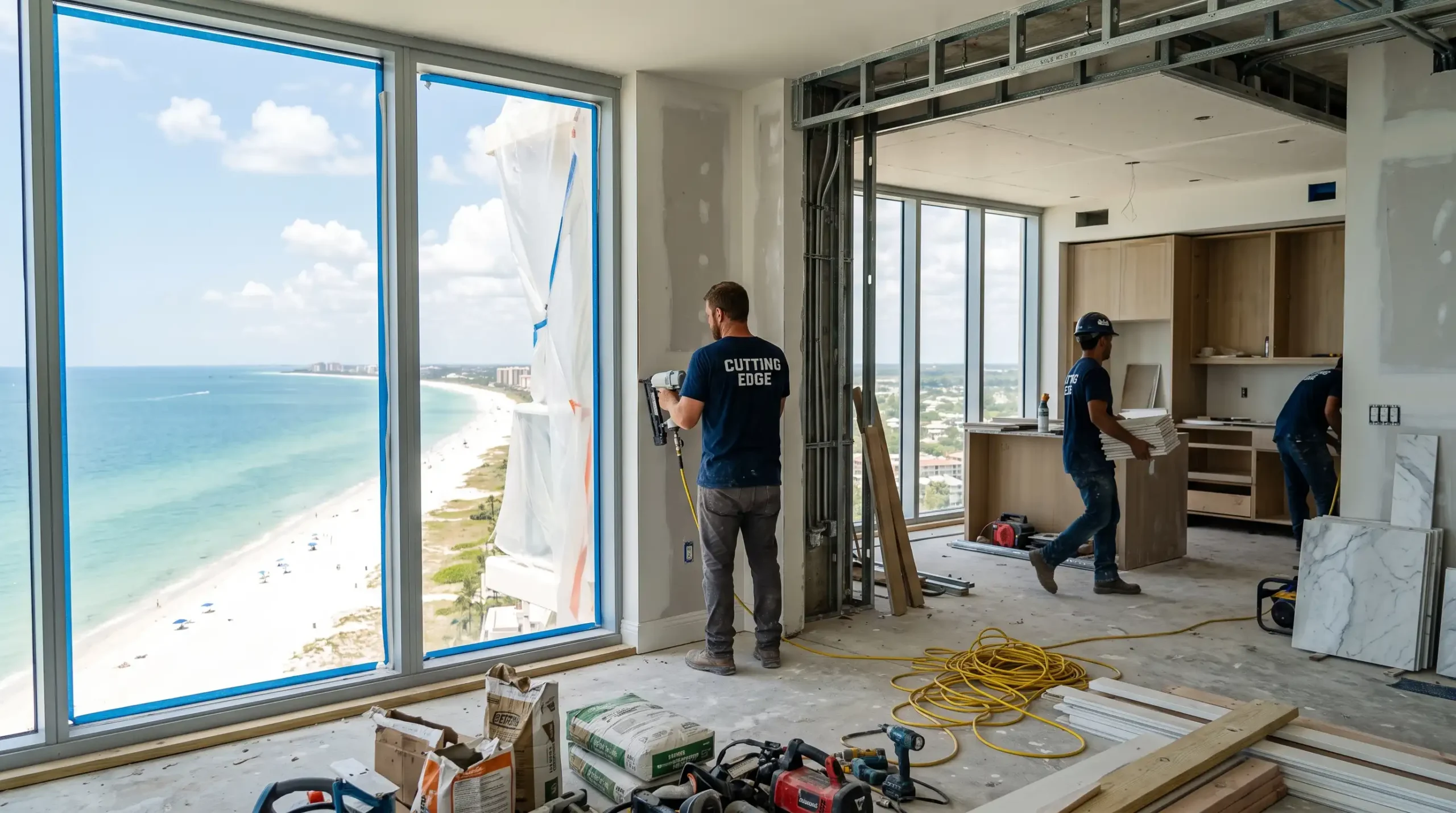
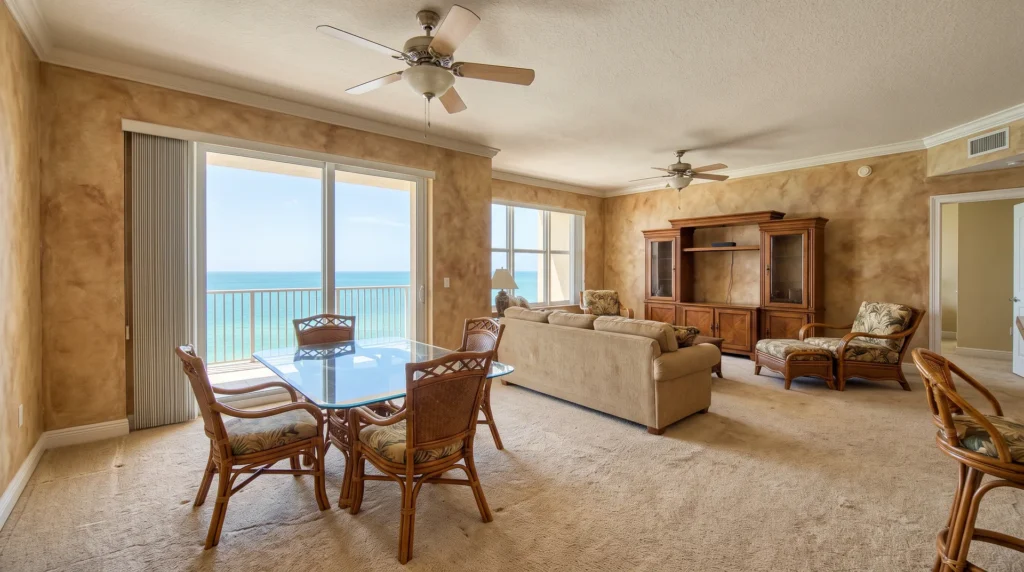
Condo Soundproof Flooring Before &



Condo Soundproofing Questions
What IIC rating do most condos require?
That depends on the building. A lot of associations require an impact rating of 50 or higher, and some set a higher bar or call for a field test. Code sets the minimum for floors between units, but your condo documents decide what you actually have to meet, so check the number with the association before you pick products.
Can I install tile in an upper-floor condo?
Usually, yes, as long as it goes over an approved acoustic underlayment and the association signs off. Certain associations limit hard floors in some rooms or require a sound test after installation. An underlayment rated for tile protects the neighbor downstairs and keeps the tile from cracking.
Will soundproof flooring block every noise?
No floor makes a unit completely silent. A quality underlayment sharply cuts the impact sounds and footsteps that reach the unit below, and felt pads under furniture, soft-close cabinets and area rugs help more. Airborne sound that travels through ceilings, walls and plumbing is a different problem that the floor by itself will not fix.
Send us the flooring rules from your association, and we will spec the assembly, put together the package and give you a price.
Why Condo Owners Hire Cutting Edge
Cutting Edge Kitchen & Bath works in condo buildings across Naples and Marco Island and knows what managers and boards expect before a new floor is installed. We put the approval package together, submit the certificate of insurance, schedule the elevator and lay the tested underlayment just as it was approved. You can compare wood, tile and vinyl samples at our 4,000-square-foot Bonita Springs showroom, 28280 Old 41 Road. We are a licensed Florida general contractor with more than 500 remodels in the region and nine Best of Houzz awards. Each project begins with a free LiDAR scan and photo-real 3D render, followed by one fixed-price contract.